Students area.
A home for your piano practice: original exercises, essential scores, historical insights, audio studies and photographs celebrating our students and their performances.
A note to teachers and students.
Dear Music, Grant our teachers an abundance of Your wisdom. Prepare their hearts to welcome and love our loved ones, and may we make sure to show them love and respect in return. Give them grace as they help students who aren’t thriving, courage to say what needs to be said, tools and knowledge on how and when to speak love, and strength when they feel weak. When they feel unseen, remind them that no moment goes unnoticed. They are shaping the future in one million small — yet incredibly important — ways every day. We are overwhelmed with gratitude for the gift of learning they share with our children. Bless them, Lord, and may they see even just a glimpse of how their faithfulness will forever impact generations to come.
Music Director · Composer · Piano Instructor · Private Lesson Service
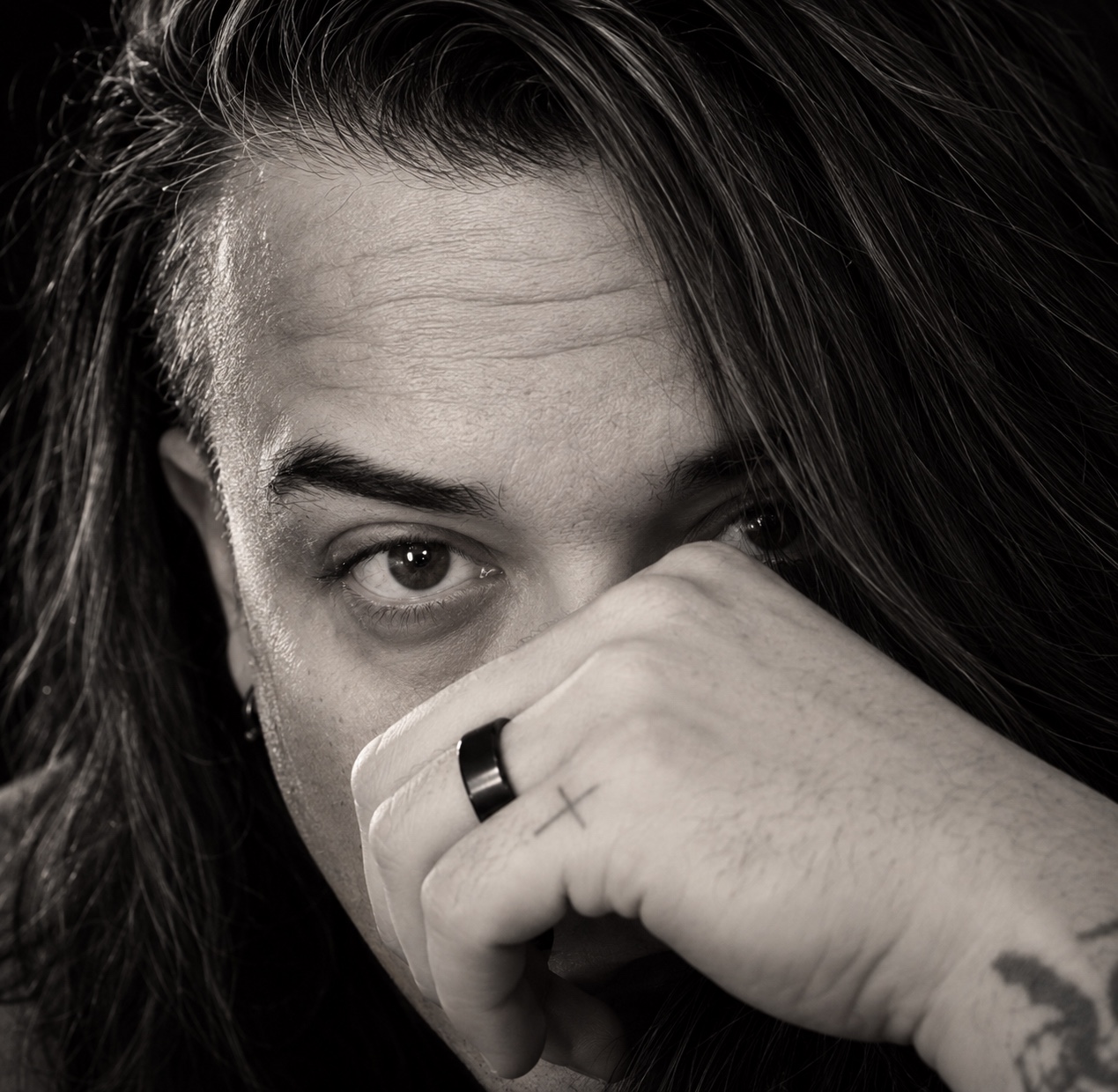
The Vitale exercise.
Repeat each group four times. Place the accent on the first note. These are the original fingering sequences from the Students page.
1 3 2 4
1 2 4 3
1 3 4 2
4 3 2 1
3 1 4 2
1 2 3 4
2 4 3 5
2 3 5 4
2 4 5 3
5 4 3 2
4 2 5 3
2 3 4 5
Essential scores & studies.
The complete set of original downloadable score links is preserved below, including the repeated entries where the old page provided different files. Select a score to open the original PDF.
Listen. Practise. Repeat.
Four original Gex Sierchio recordings from the old Students page, available to play here or open as MP3 files.
Daily exercise to music transforms routine into rhythm. Music sharpens focus, sustains energy, and makes movement feel purposeful rather than forced. With each beat, endurance increases, motivation returns, and the body learns to associate effort with pleasure and consistency.
Guido d’Arezzo & solfège.
Guido d’Arezzo (literally, Guido of Arezzo, which is a town in Tuscany) was a Benedictine monk who lived during what is today called the Medieval Period. Guido is often referred to as the “Father of Music Education” and he is perhaps the most influential musician in history that you’ve never heard of. He was a musician, a teacher, and a music theorist, and he was widely known (among his musical contemporaries) during his own lifetime as the author of Micrologus, a treatise on teaching and singing Gregorian Chant and the composition of polyphonic music. It was Guido who chose the solmization syllables that evolved into the system of solfège we use today. The first six syllables come from the first syllable in each line of the Latin hymn Ut queant laxis (Hymn to John the Baptist). Each of the first six lines of this hymn begins on a note a step higher than the note the previous line began with. For the seventh note of the diatonic scale, subsequent convention chose the syllable si, a contraction of the first two initials in Sancte Iohannes (Saint John). Originally Latin had no letter J.
ut · re · mi · fa · sol · la · si
The composers.
Discover eleven classical composers and nine jazz composers. Open each name for a biography, musical characteristics and listening ideas.
Classical composers
Johann Sebastian Bach (1685–1750)Read biography ↗
Johann Sebastian Bach (1685–1750) was a German composer and one of the greatest figures in Western classical music. A master of the Baroque period, Bach is renowned for his technical brilliance, emotional depth, and profound understanding of musical structure. He composed in nearly every genre of his time, including cantatas, organ works, concertos, chamber music, and keyboard pieces, with the notable exception of opera. Bach’s music is celebrated for its intricate counterpoint, rich harmonies, and expressive power. Works such as The Brandenburg Concertos, The Well-Tempered Clavier, The Mass in B Minor, and The St Matthew Passion remain central to the classical repertoire. Although not widely famous during his lifetime outside musical circles, Bach’s influence grew enormously after his death. Today, he is regarded as a cornerstone of music education and a composer whose works continue to inspire musicians, composers, and listeners around the world.
Wolfgang Amadeus Mozart (1756–1791)Read biography ↗
Wolfgang Amadeus Mozart (1756–1791) was an Austrian composer and one of the most influential figures in Western classical music. A child prodigy, he began composing at a very young age and performed across Europe, astonishing audiences with his talent. Mozart wrote over 600 works, covering nearly every musical genre of his time, including symphonies, operas, chamber music, sacred works, and piano compositions. His music is admired for its clarity, balance, and emotional range, blending technical mastery with natural elegance. Famous works include the operas The Magic Flute, Don Giovanni, and The Marriage of Figaro, as well as his symphonies and piano concertos. Despite his success, Mozart struggled financially and died at the age of thirty-five. His music remains timeless, celebrated for its beauty, intelligence, and profound influence on composers who followed. Today, his legacy endures through constant performance, study, and admiration in concert halls and classrooms worldwide for generations everywhere.
Frédéric Chopin (1810–1849)Read biography ↗
Frédéric Chopin (1810–1849) was a Polish composer and virtuoso pianist, widely regarded as one of the greatest figures of the Romantic era. Known as the “poet of the piano,” Chopin focused almost exclusively on piano music, creating works that combine technical brilliance with profound emotional expression. His compositions include nocturnes, études, waltzes, mazurkas, polonaises, and preludes, many of which remain central to the piano repertoire. Chopin’s music is celebrated for its lyrical melodies, delicate ornamentation, and innovative use of harmony and rhythm, often reflecting Polish folk influences. He spent much of his life in Paris, where he taught, performed, and befriended prominent artists and writers. Despite suffering from poor health throughout his life, Chopin composed with remarkable sensitivity and depth. His works continue to captivate audiences and pianists worldwide, influencing generations of composers and maintaining a lasting legacy as one of the most expressive voices in classical music.
Franz Liszt (1811–1886)Read biography ↗
Franz Liszt (1811–1886) was a Hungarian composer, pianist, and conductor, widely regarded as one of the greatest virtuoso pianists of all time. A leading figure of the Romantic era, Liszt transformed piano performance with his extraordinary technical skill, dramatic stage presence, and innovative compositions. He pioneered the solo piano recital and expanded the expressive and technical possibilities of the instrument. Liszt composed a wide range of works, including piano études, symphonic poems, orchestral works, and sacred music. Famous pieces such as Hungarian Rhapsodies, La Campanella, and Liebesträume remain staples of the concert repertoire. Beyond performance, Liszt was an influential teacher and mentor, supporting many young composers and promoting the music of others, including Wagner and Berlioz. His music is known for its emotional intensity, bold harmonies, and lasting influence on later composers.
Ludwig van Beethoven (1770–1827)Read biography ↗
Ludwig van Beethoven (1770–1827) was a German composer and pianist who bridged the Classical and Romantic eras of Western music. He is celebrated for expanding musical forms and deepening emotional expression in symphonies, sonatas, chamber works, and concertos. Beethoven studied under Haydn and quickly gained a reputation as a bold, innovative composer. Despite gradually losing his hearing, he continued to compose some of his greatest works, demonstrating remarkable determination and creativity. His music often reflects personal struggle, heroism, and triumph, making it deeply expressive and powerful. Famous compositions include Symphony No. 5, Symphony No. 9, Moonlight Sonata, and Fidelio. Beethoven’s use of dramatic contrasts, strong rhythms, and expanded structures changed the course of music history. He is widely regarded as one of the most influential composers of all time, whose works continue to inspire performers, composers, and audiences around the world.
Joseph Haydn (1732–1809)Read biography ↗
Joseph Haydn (1732–1809) was an Austrian composer, often called the “Father of the Symphony” and the “Father of the String Quartet” for his pioneering contributions to these forms. A central figure of the Classical era, Haydn helped shape the structure, style, and elegance of orchestral and chamber music. He spent much of his career as a court musician for the wealthy Esterházy family, where he developed his inventive and disciplined compositional style. Haydn composed over 100 symphonies, 80 string quartets, numerous piano works, masses, and oratorios, including the famous The Creation and The Seasons. His music is admired for its clarity, humor, melodic charm, and formal balance, blending technical mastery with joyful expressiveness. Haydn influenced contemporaries such as Mozart and Beethoven, mentoring and inspiring the next generation of composers. Today, his works are celebrated for their wit, elegance, and enduring contribution to Western classical music.
Robert Schumann (1810–1856)Read biography ↗
A German composer of the Romantic era whose music often feels like a collection of stories, dreams and contrasting characters. His expressive piano pieces and songs connect music with poetry and imagination. Listen to Kinderszenen, including Träumerei, and Carnaval.
Franz Schubert (1797–1828)Read biography ↗
An Austrian composer celebrated for lyrical melodies and the close relationship between words and music. His songs, piano works and chamber music range from warmth and simplicity to deep drama. Explore the song cycle Winterreise, the Trout Quintet and the Unfinished Symphony.
Sergei Rachmaninov (1873–1943)Read biography ↗
A Russian composer, pianist and conductor who carried the Romantic tradition into the twentieth century. His music combines singing melodies, rich harmonies and demanding piano writing. Piano Concerto No. 2 is a rewarding introduction to his expressive musical world.
Antonio Vivaldi (1678–1741)Read biography ↗
An Italian Baroque composer and violinist known for lively rhythms, clear contrasts and brilliant instrumental writing. His concertos create a conversation between soloist and ensemble. The Four Seasons uses four violin concertos to suggest birdsong, storms, dancing and changing weather.
George Frideric Handel (1685–1759)Read biography ↗
A German-born Baroque composer who spent much of his career in England. He wrote operas, oratorios and instrumental music, combining memorable melodies with dramatic expression. Begin with the oratorio Messiah and the orchestral suites Water Music and Music for the Royal Fireworks.
Jazz composers
Explore the melodies, harmonies and rhythms of jazz. These composers show how written music and improvisation can inspire one another.
Duke Ellington (1899–1974)Read biography ↗
An American pianist, bandleader and composer who treated his orchestra as a palette of individual musical voices. His distinctive harmonies and instrumental colours helped expand jazz composition from short pieces to larger works. His writing encourages students to listen to how different instruments create character.
Billy Strayhorn (1915–1967)Read biography ↗
An American composer, pianist and arranger whose long collaboration with Duke Ellington helped shape the orchestra’s sound. His elegant melodies and rich harmonies appear in compositions such as Take the ‘A’ Train and Lush Life. He shows how a memorable tune can also contain sophisticated musical ideas.
Thelonious Monk (1917–1982)Read biography ↗
An American pianist and composer with a highly individual musical voice. His angular melodies, unexpected accents and bold use of space give familiar jazz forms a fresh character. Listen to Blue Monk and Well, You Needn’t, paying attention to the rhythm and shape of each phrase.
Mary Lou Williams (1910–1981)Read biography ↗
An American pianist, composer and arranger whose work connected swing, bebop and concert music. She wrote for major bands while developing an adventurous voice of her own. Her Zodiac Suite explores twelve contrasting musical portraits and offers an inspiring example of imagination in composition.
Charles Mingus (1922–1979)Read biography ↗
An American bassist, bandleader and composer who brought blues, gospel, collective improvisation and ambitious ensemble writing together. His music can be tender, forceful and rhythmically surprising. Goodbye Pork Pie Hat offers a moving introduction to his melodic writing and expressive approach to jazz.
Oscar Peterson (1925–2007)Read biography ↗
A Canadian pianist and composer celebrated for his swing, technical command and expressive playing. Alongside his performances of jazz standards, he created original music including the Canadiana Suite, a musical journey across Canada. His work invites students to explore rhythmic precision and the character of different musical scenes.
Bill Evans (1929–1980)Read biography ↗
An American pianist and composer known for lyrical phrasing, subtle harmony and sensitive interaction within the piano trio. His compositions often combine clear melodies with rich chord colours. Waltz for Debby is a useful starting point for hearing how a graceful tune can support imaginative improvisation.
Herbie Hancock (born 1940)Read biography ↗
An American pianist and composer whose work spans acoustic jazz, funk and electronic sounds. His music combines memorable musical ideas with rhythmic and harmonic exploration. Start with Watermelon Man and compare his acoustic and electric recordings to hear how instrumentation can transform a musical style.
Wayne Shorter (1933–2023)Read biography ↗
An American saxophonist and composer admired for imaginative melodies, sophisticated structures and an open approach to improvisation. He contributed important music to Art Blakey’s Jazz Messengers, Miles Davis’s group and Weather Report. Explore Speak No Evil and Nefertiti, listening for unexpected turns in melody and harmony.
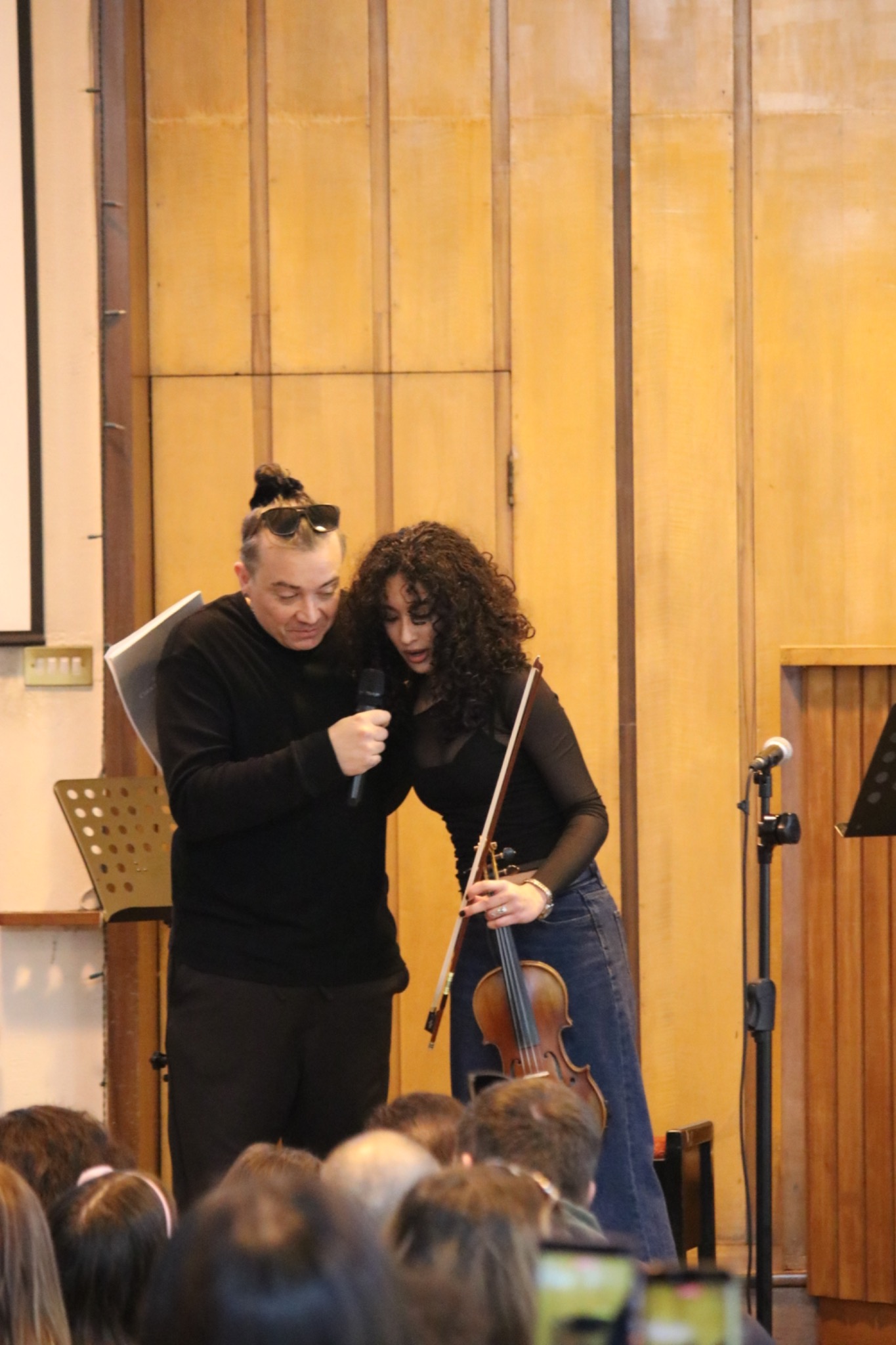
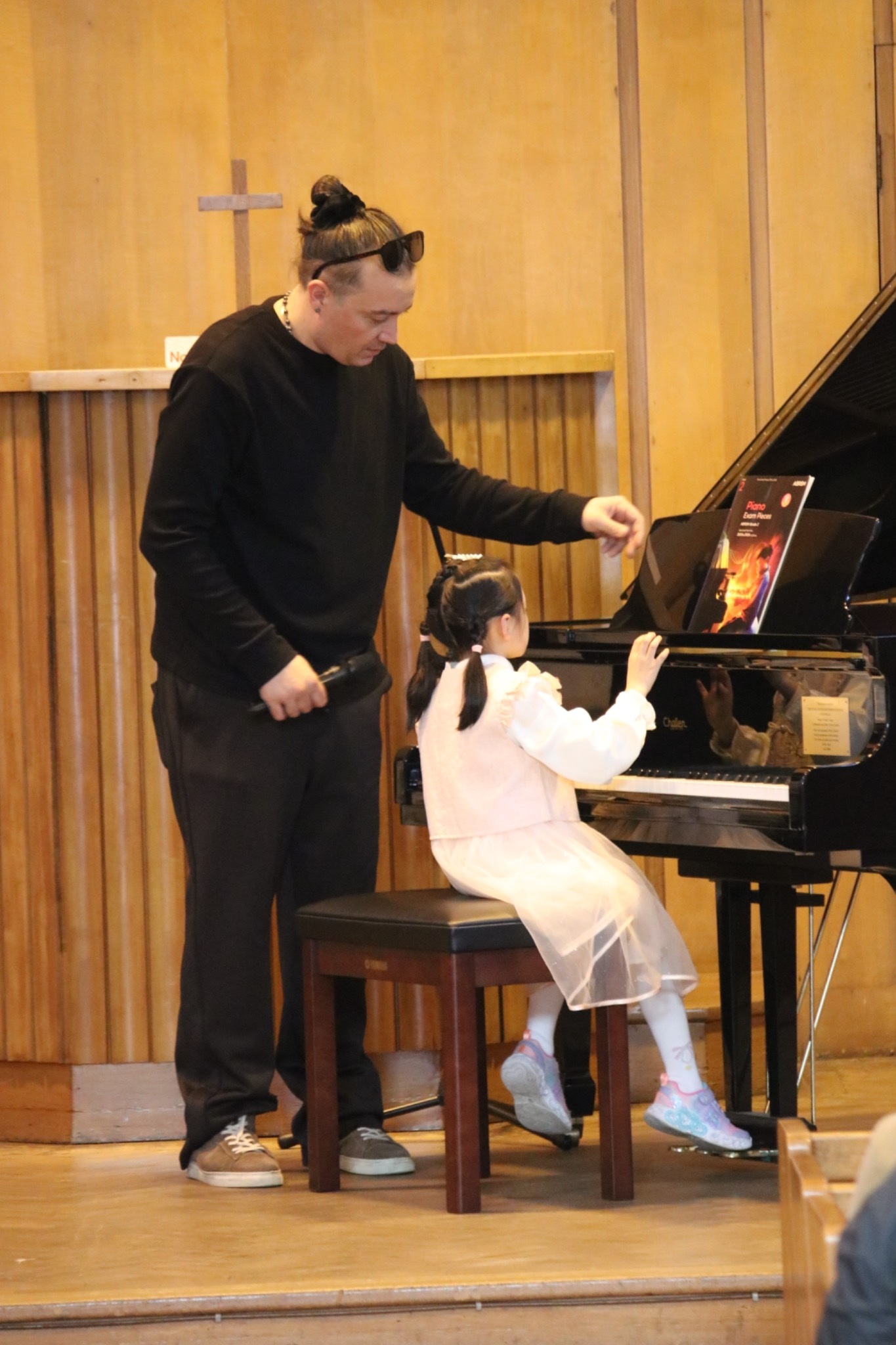
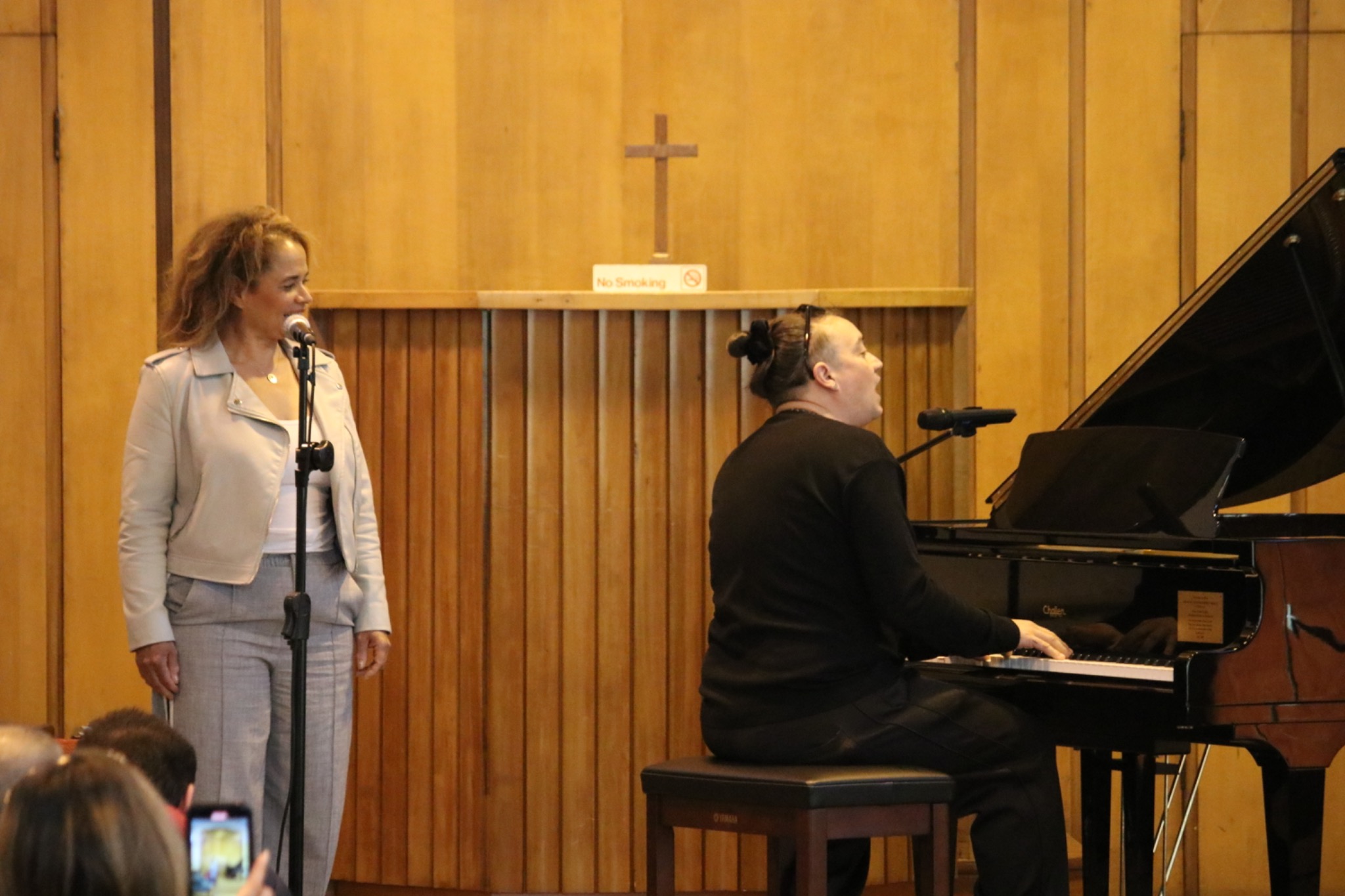
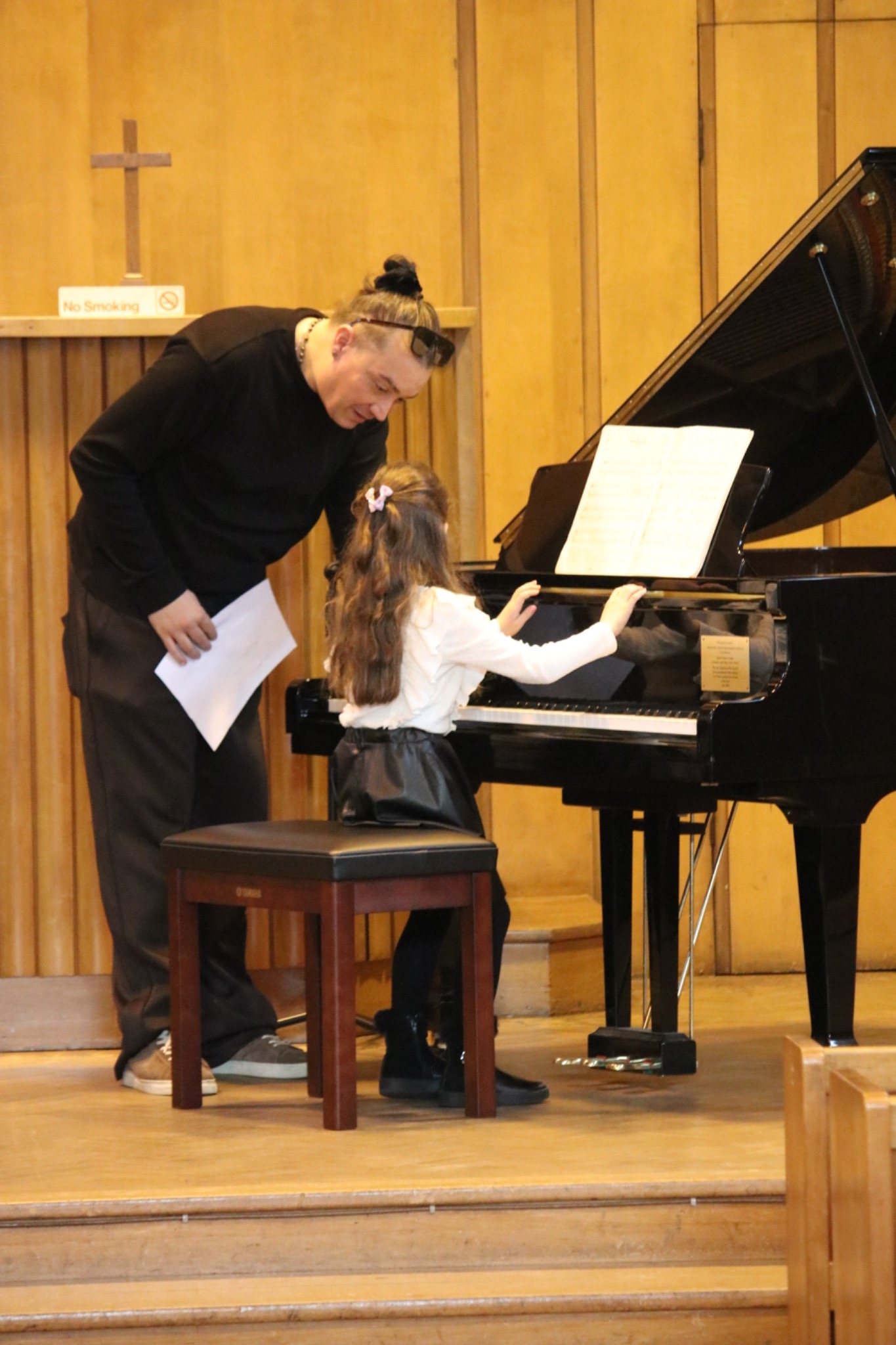
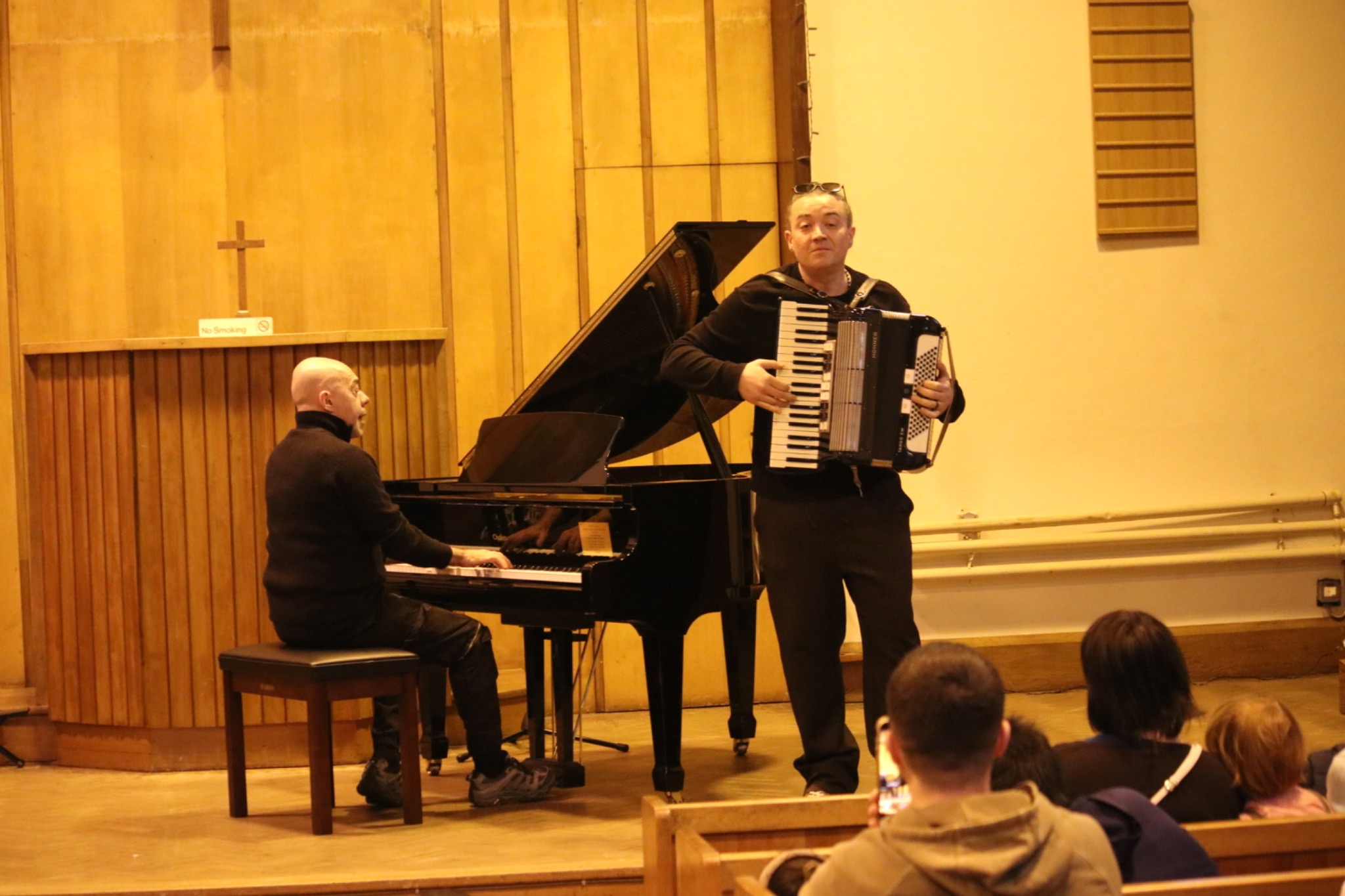
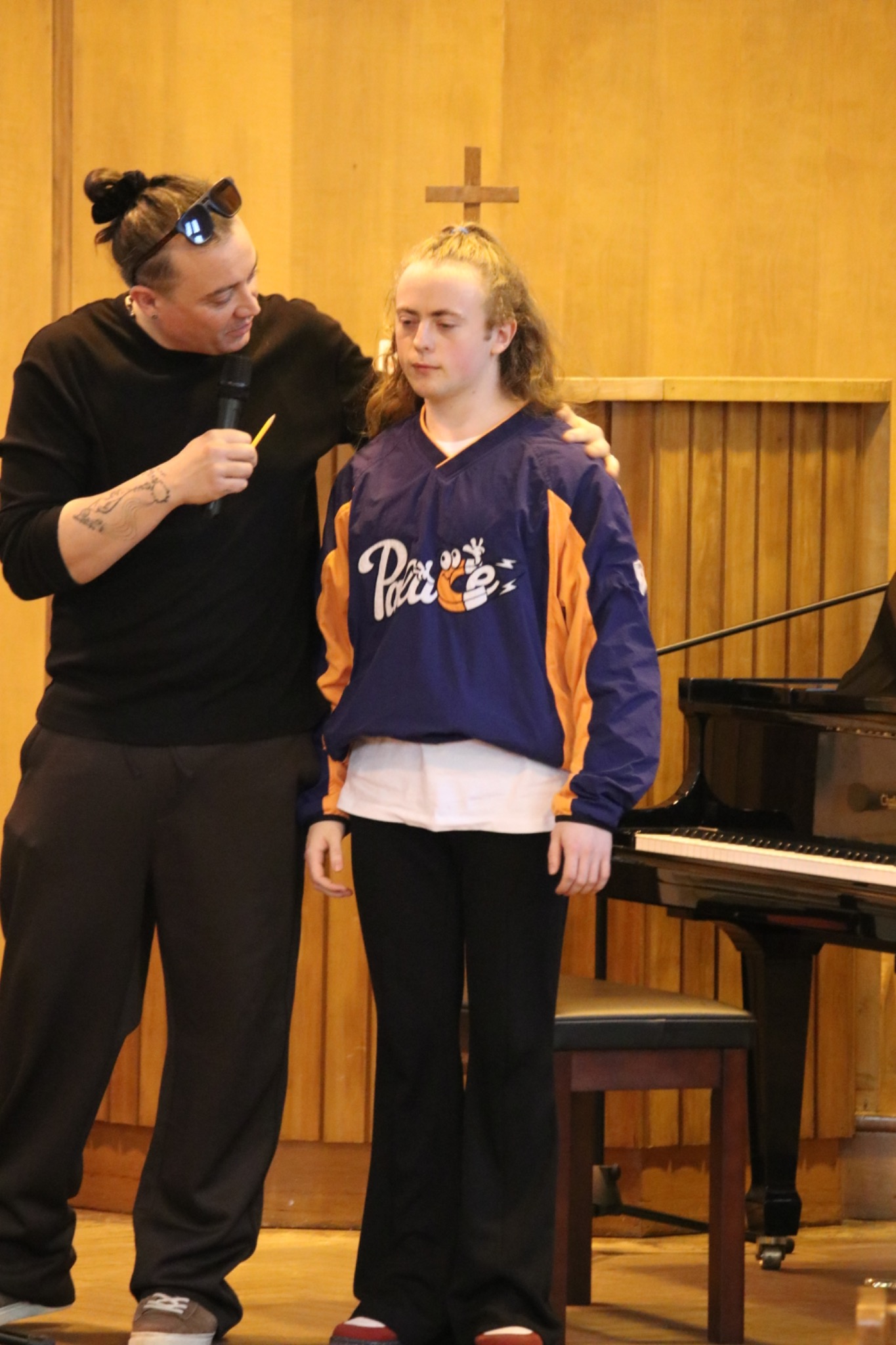
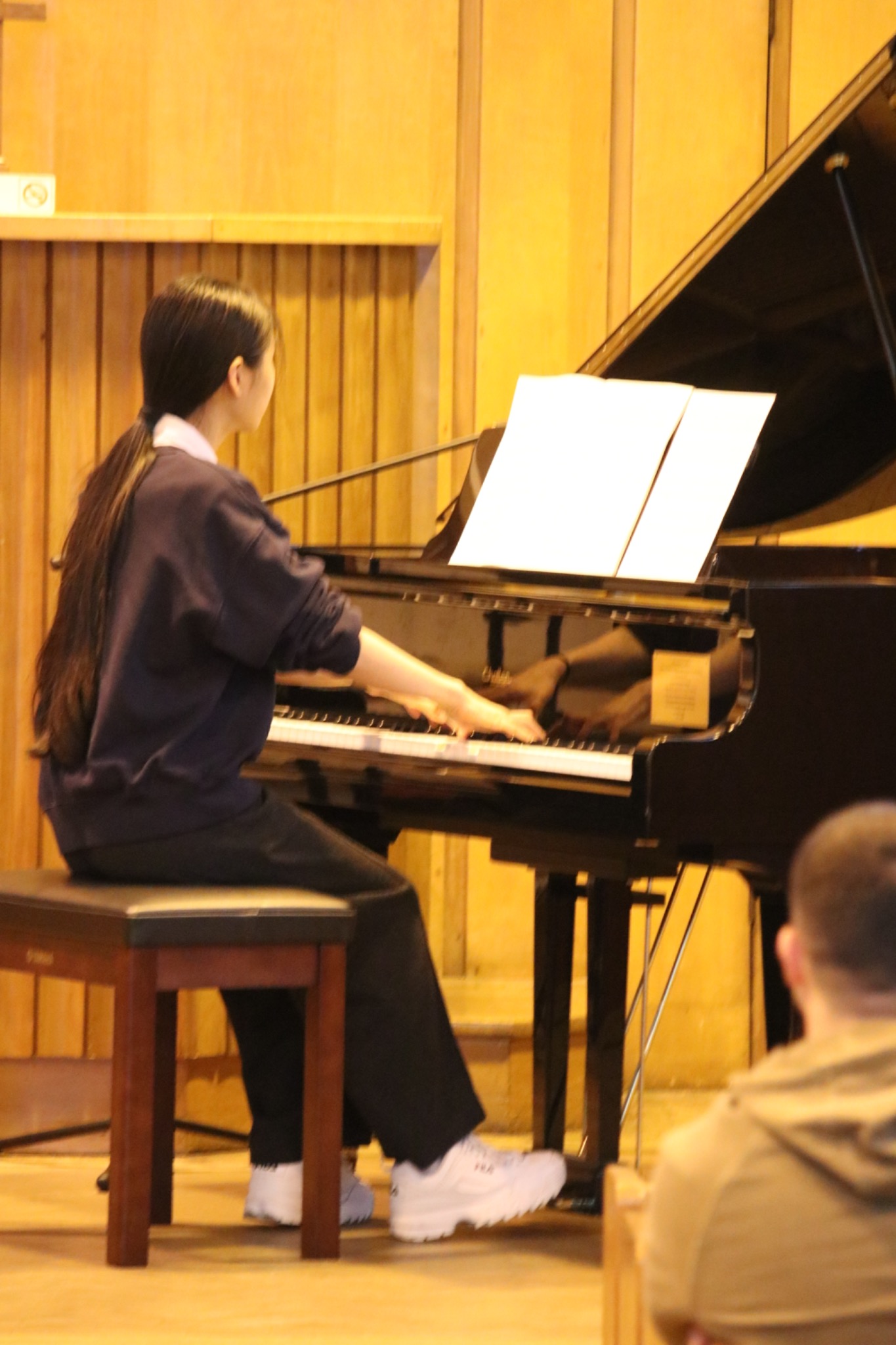
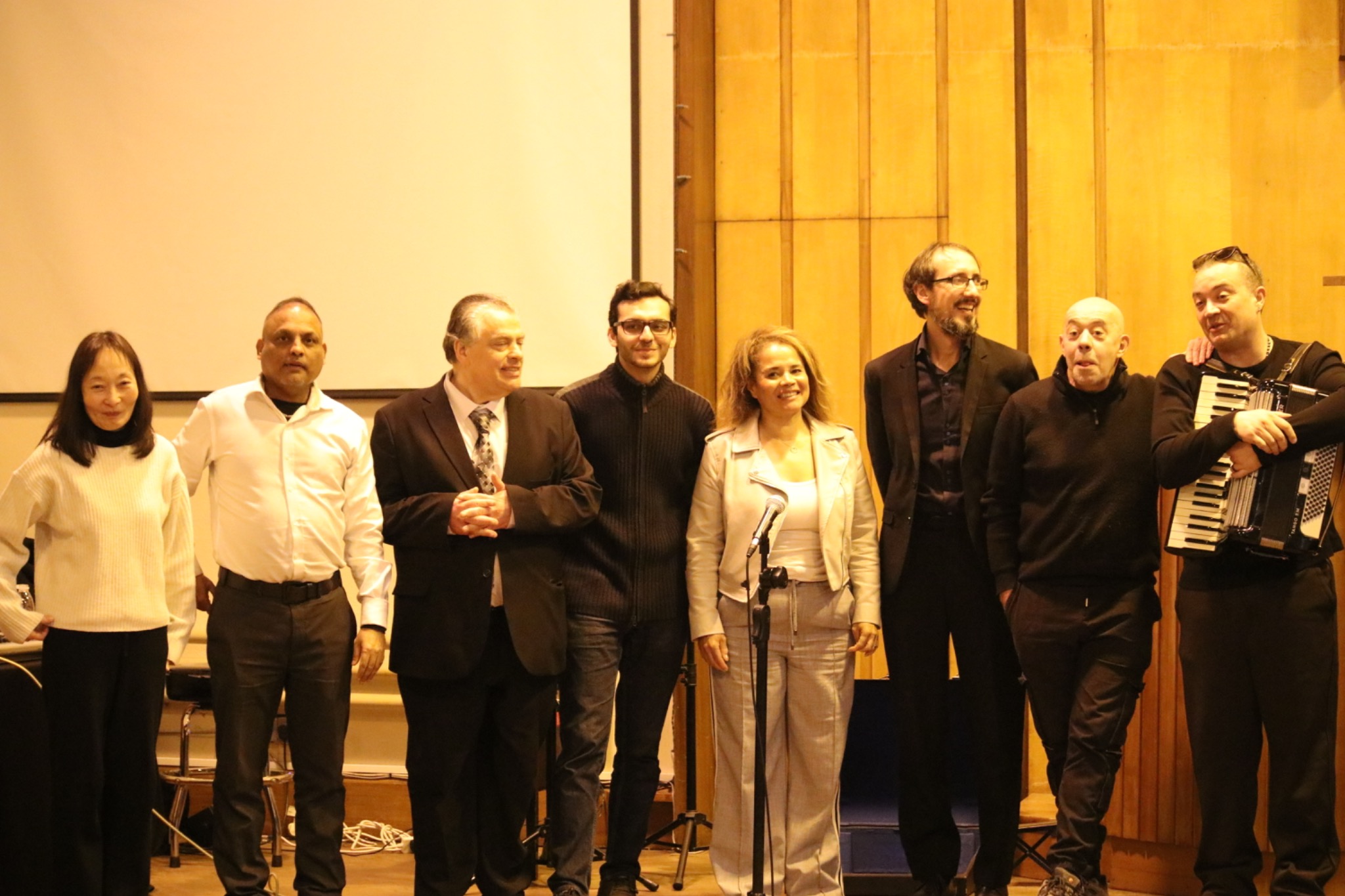
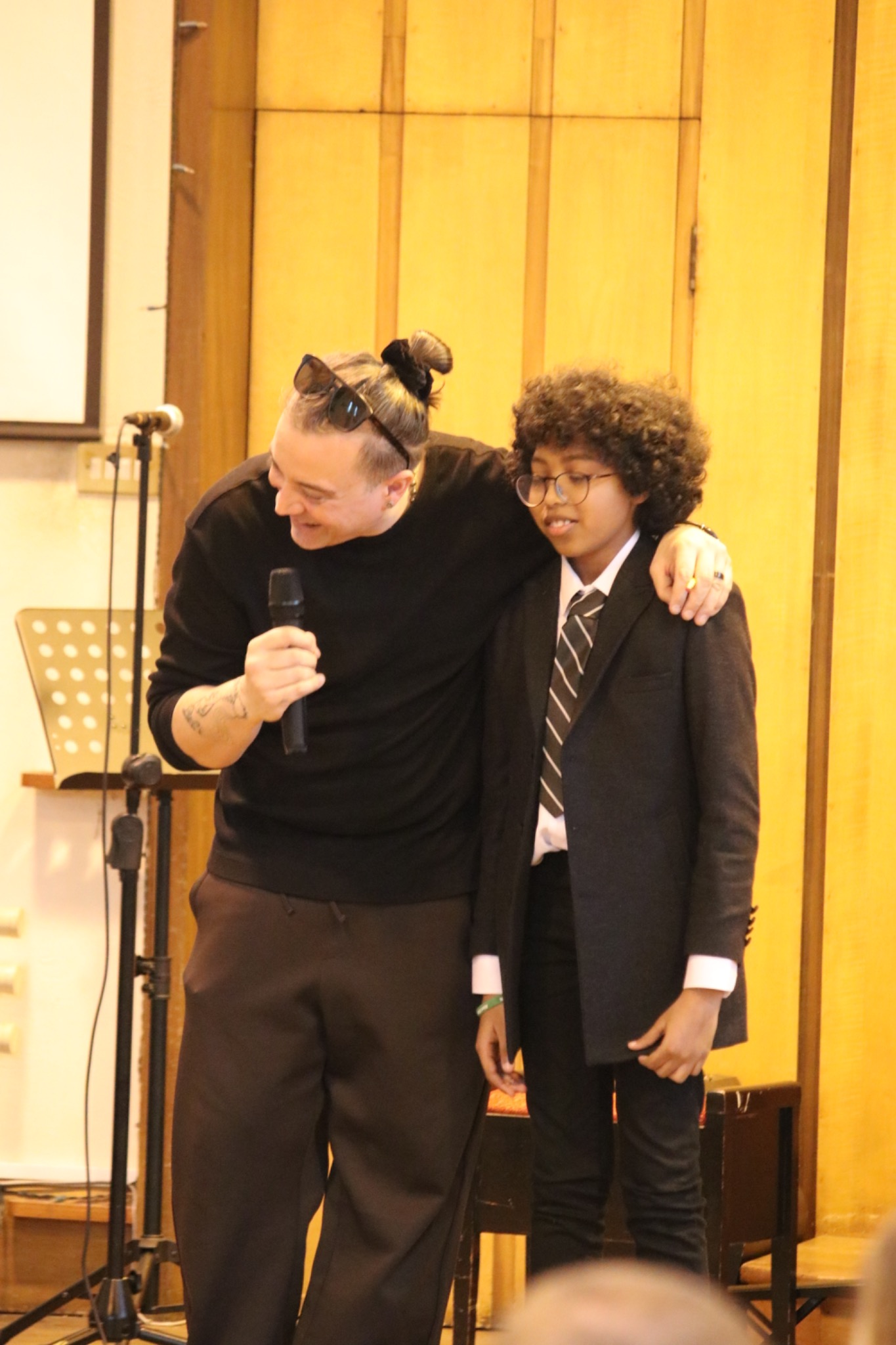
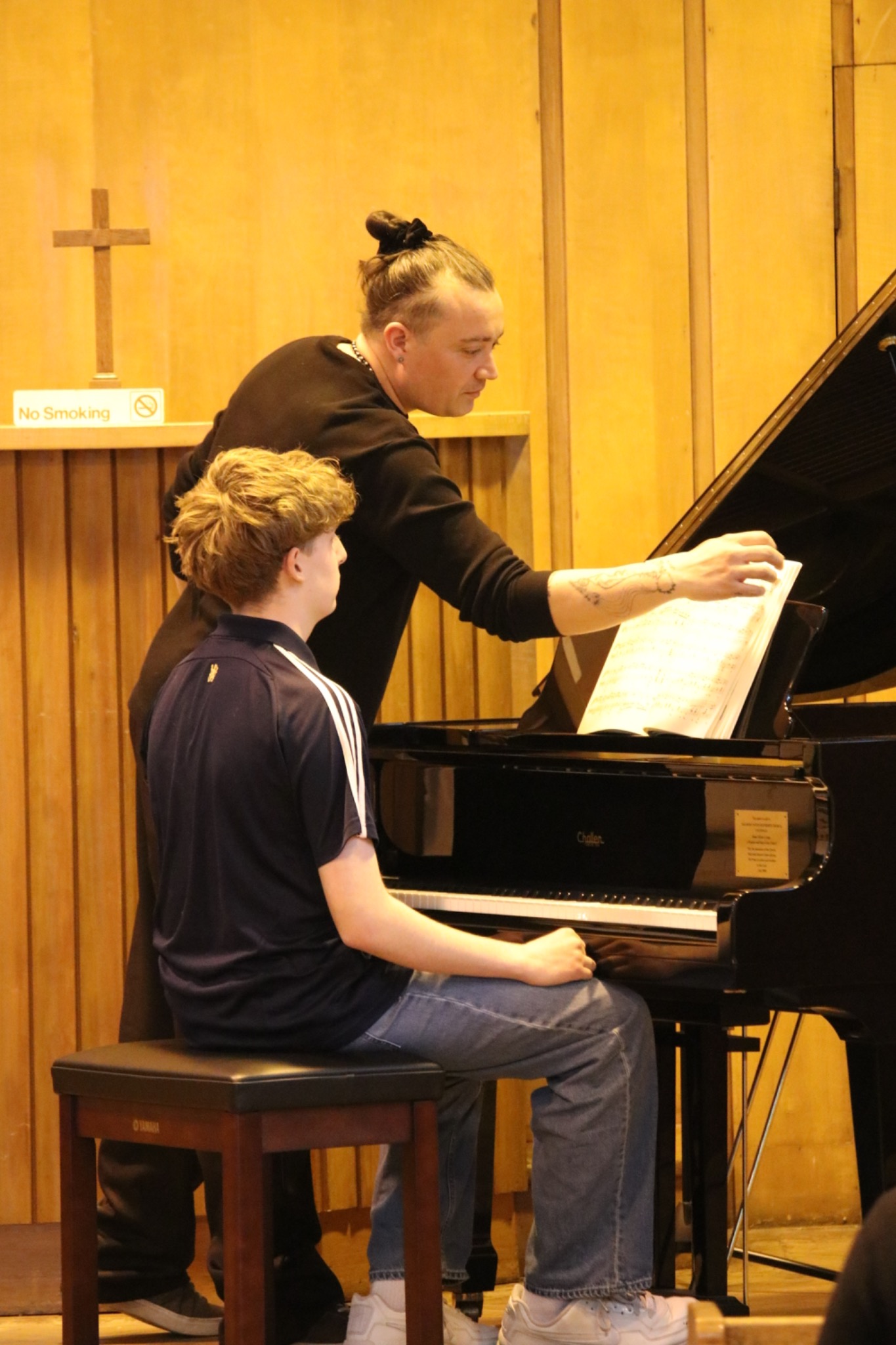
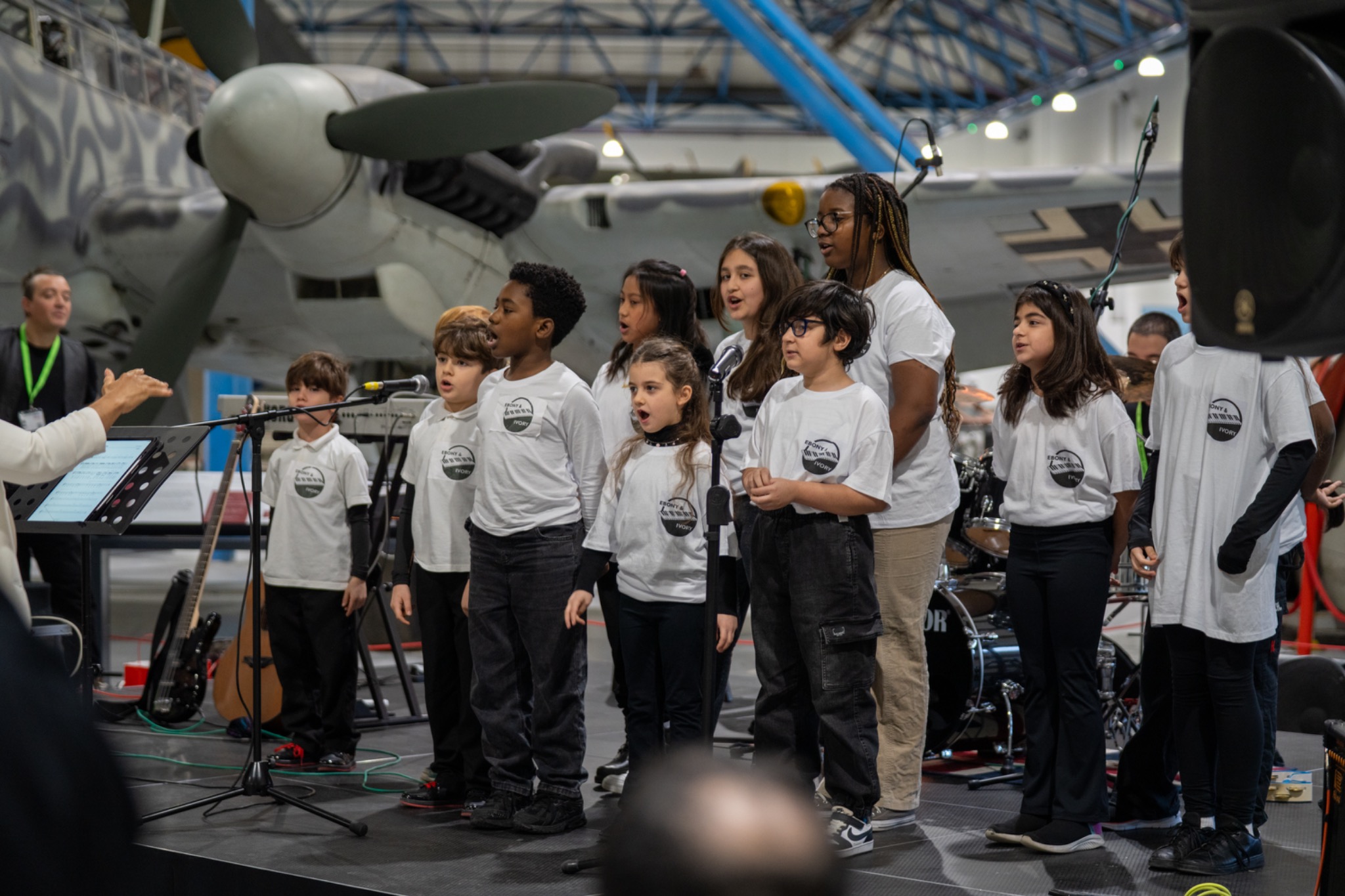
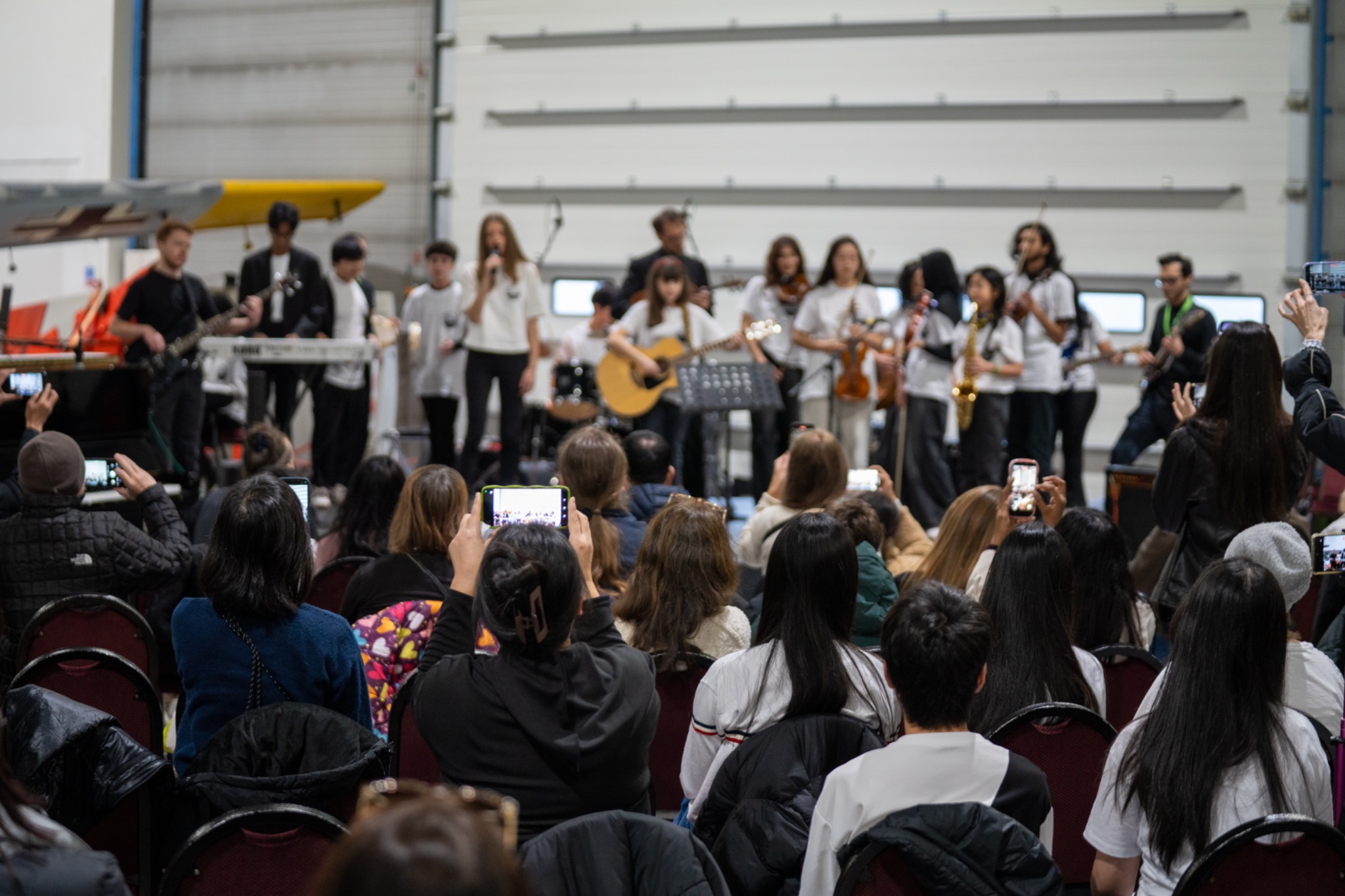
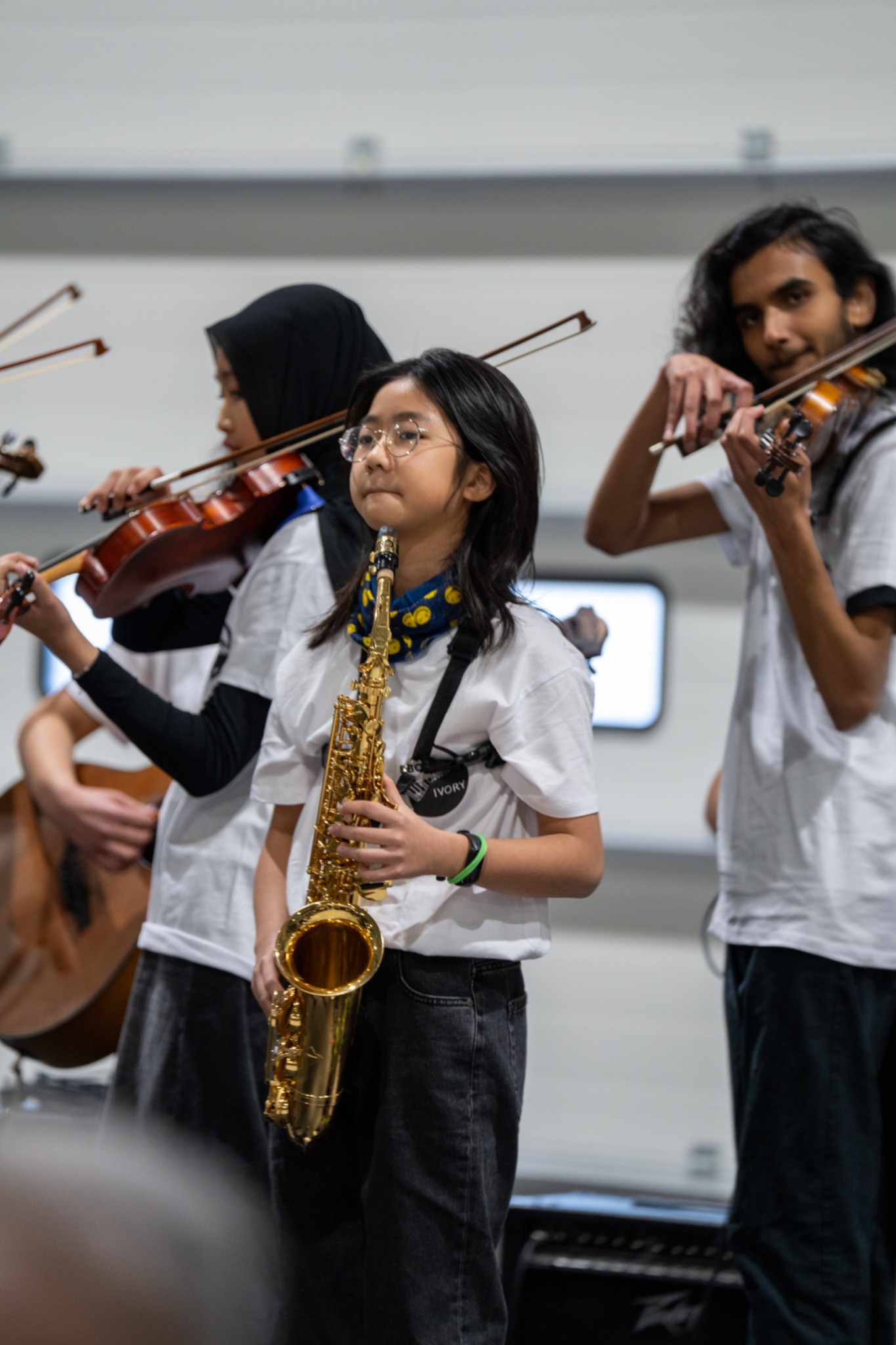
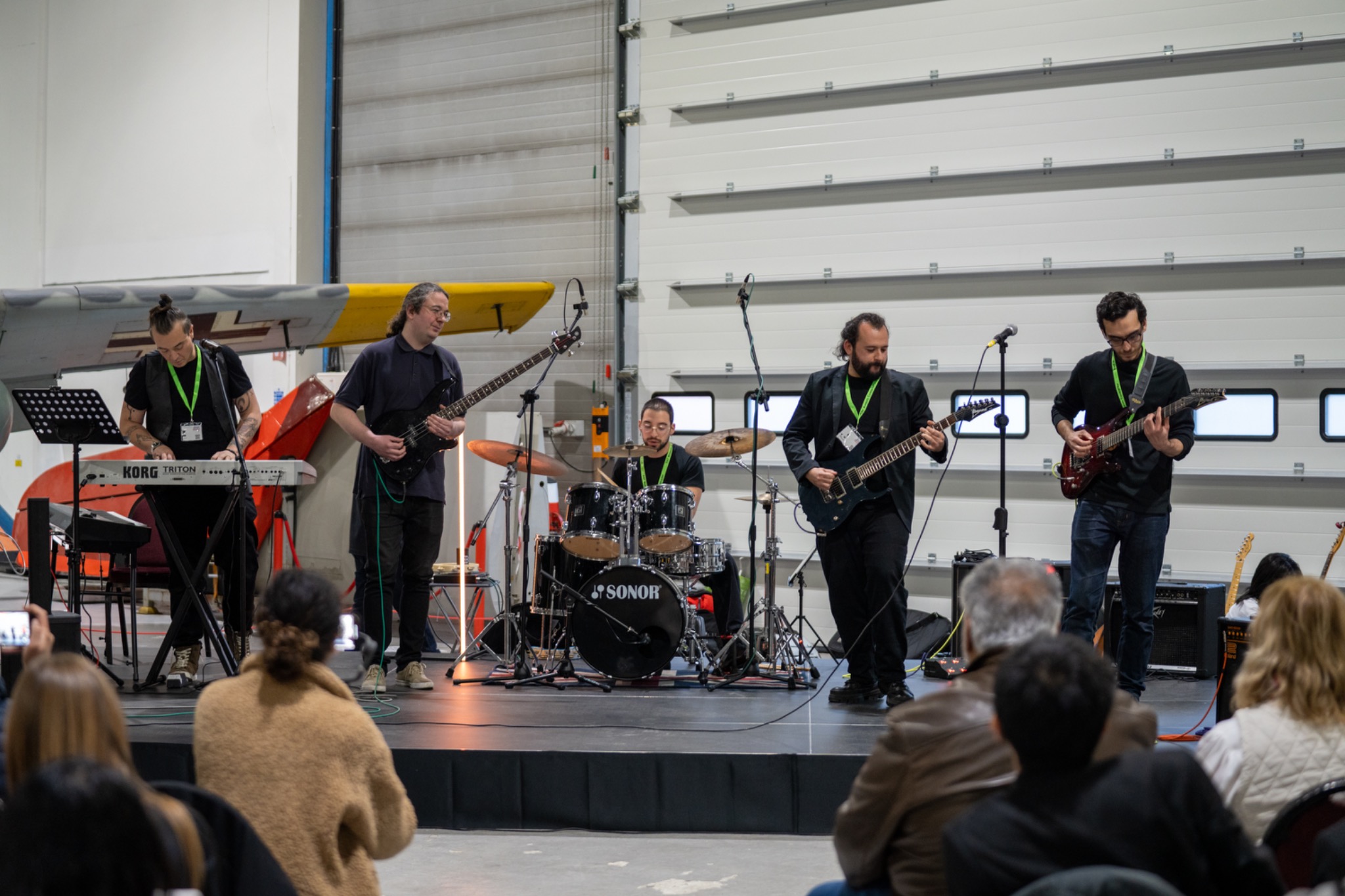
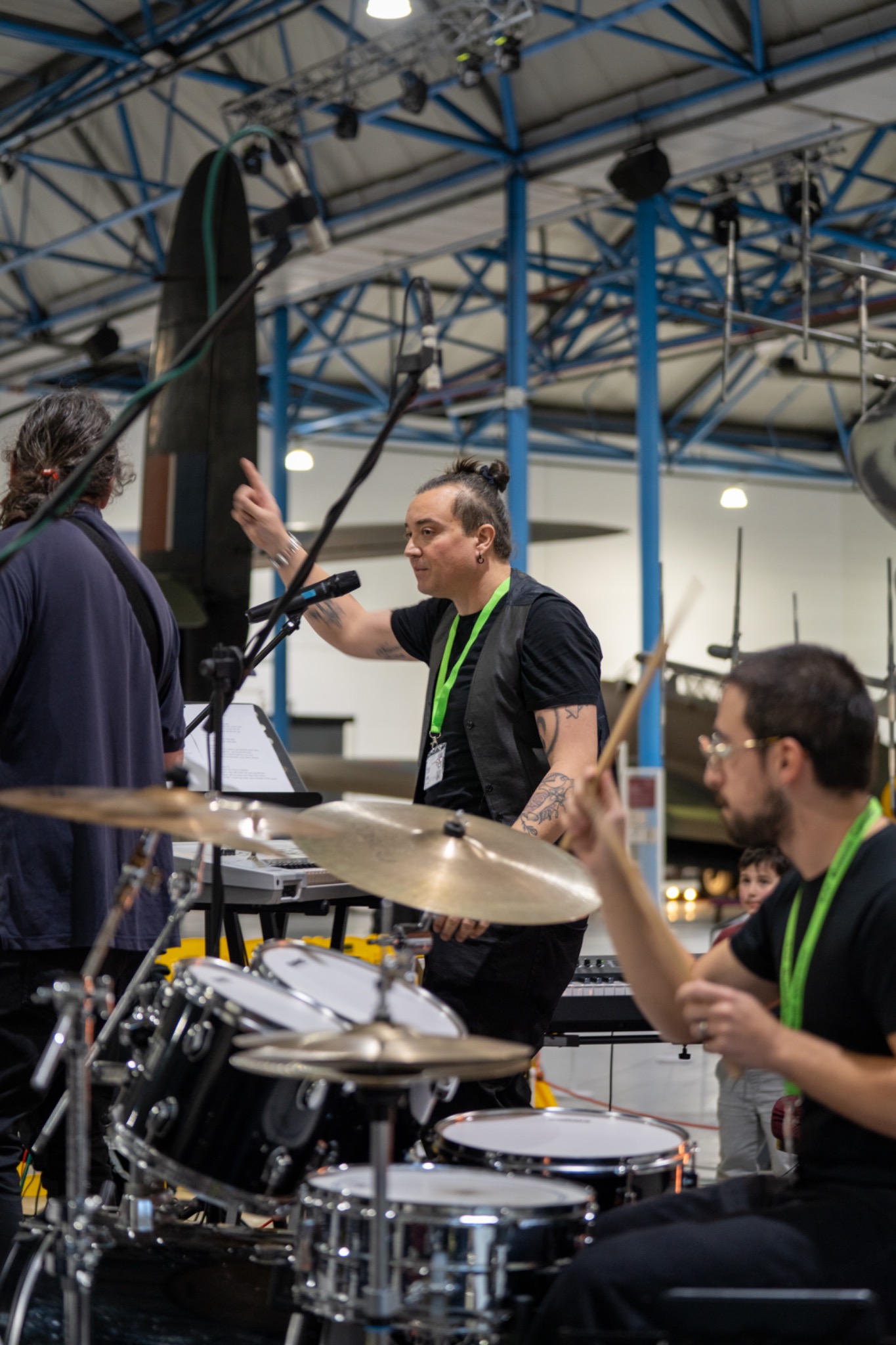
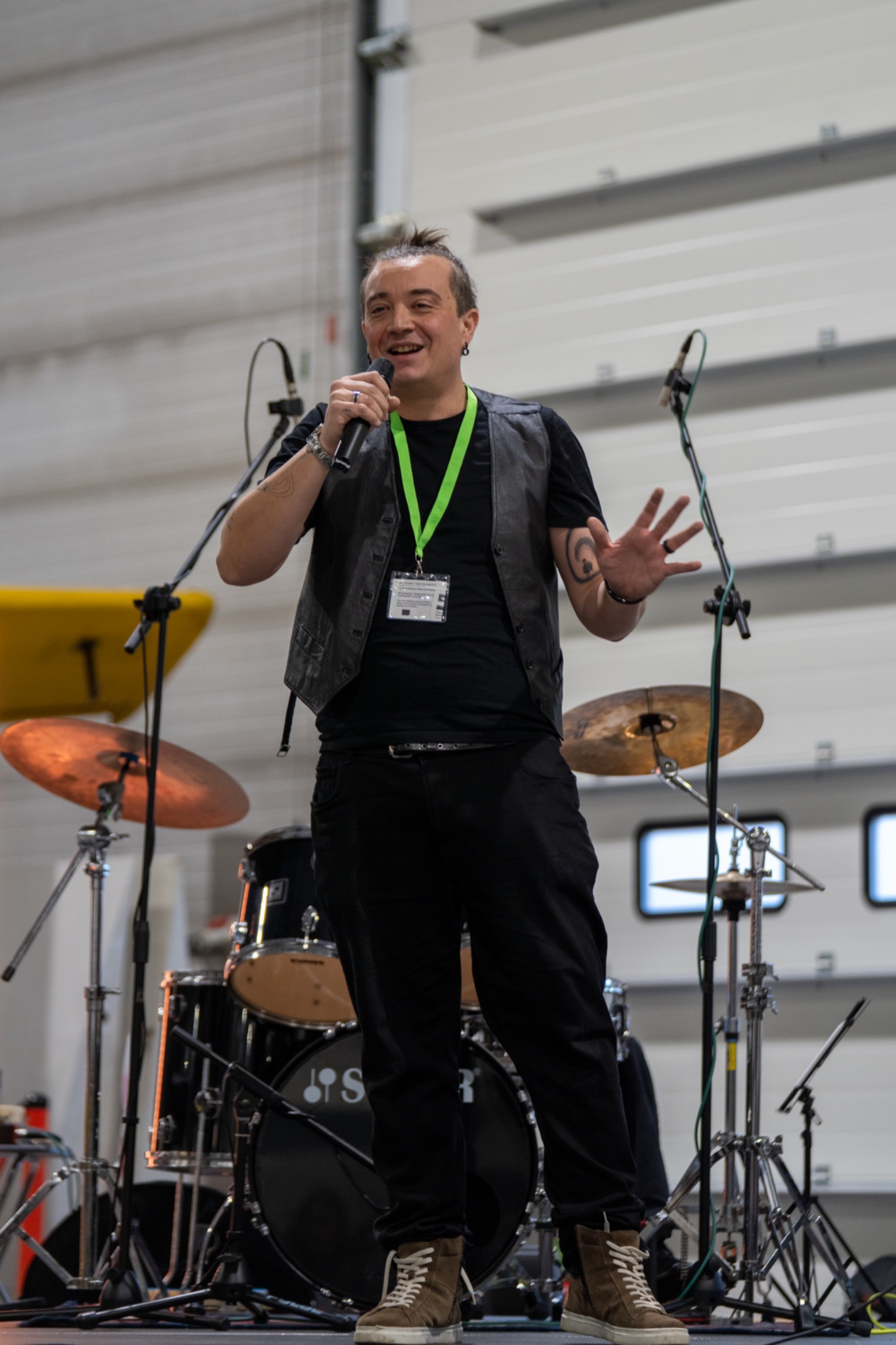
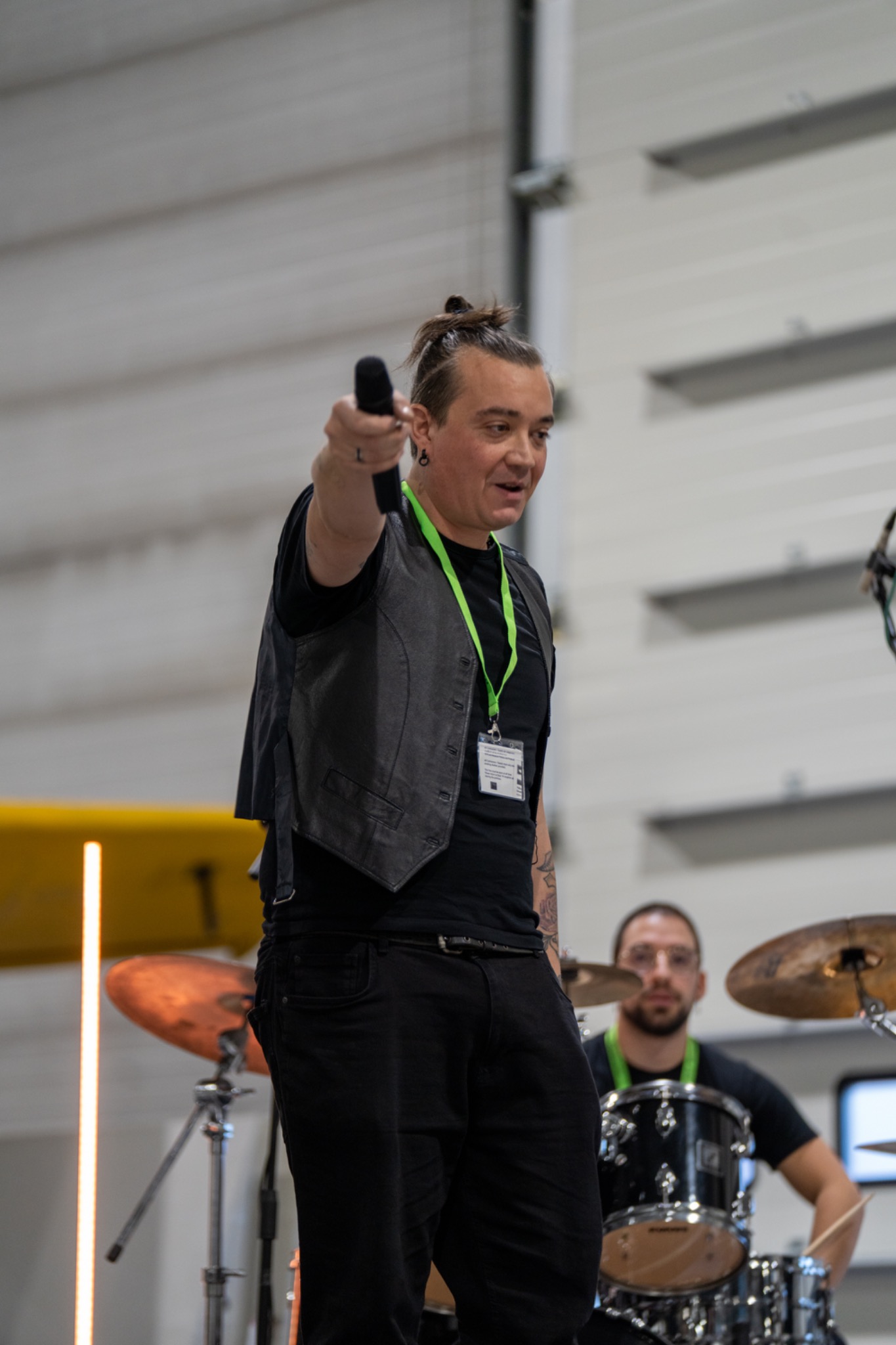
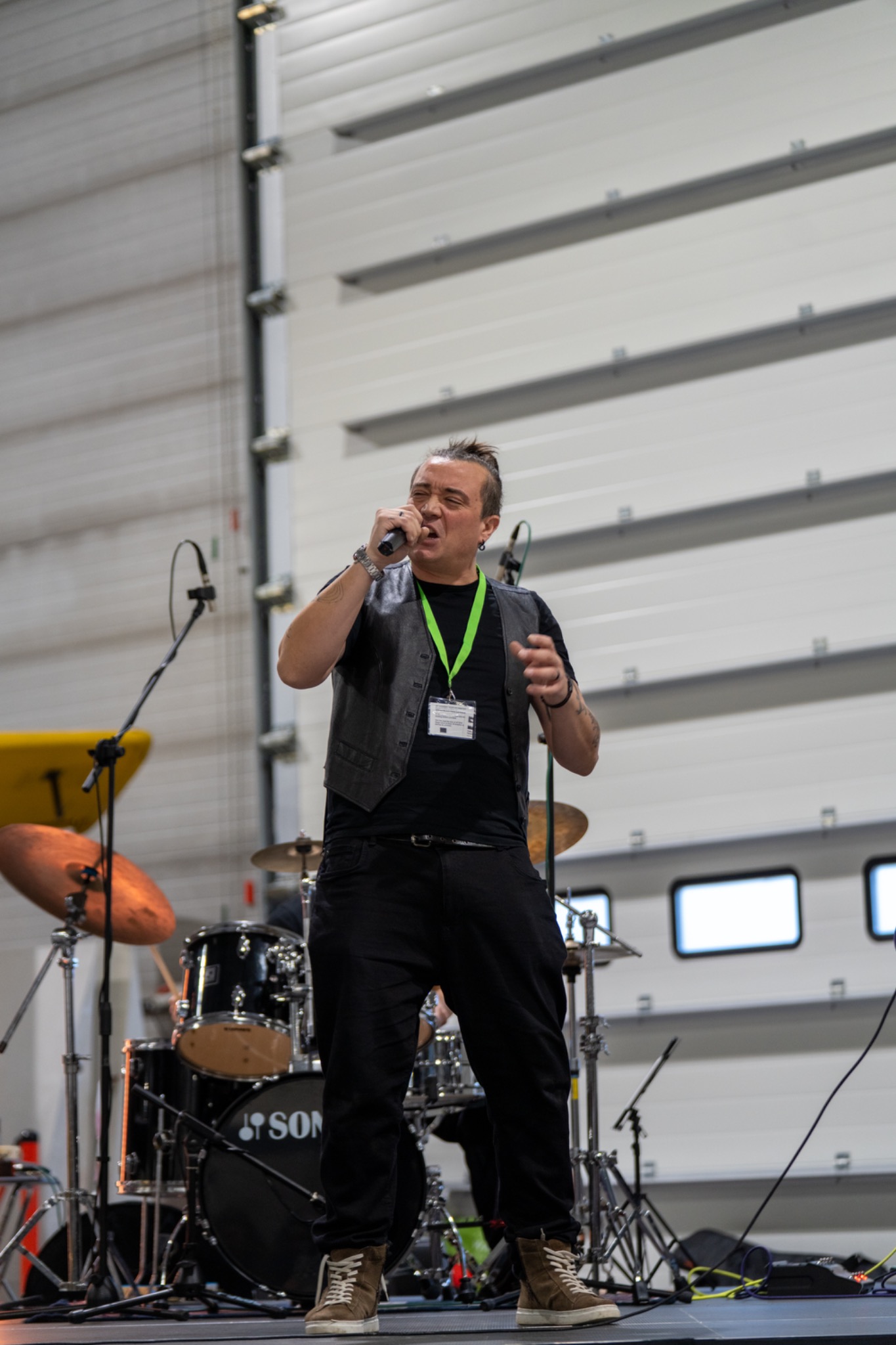
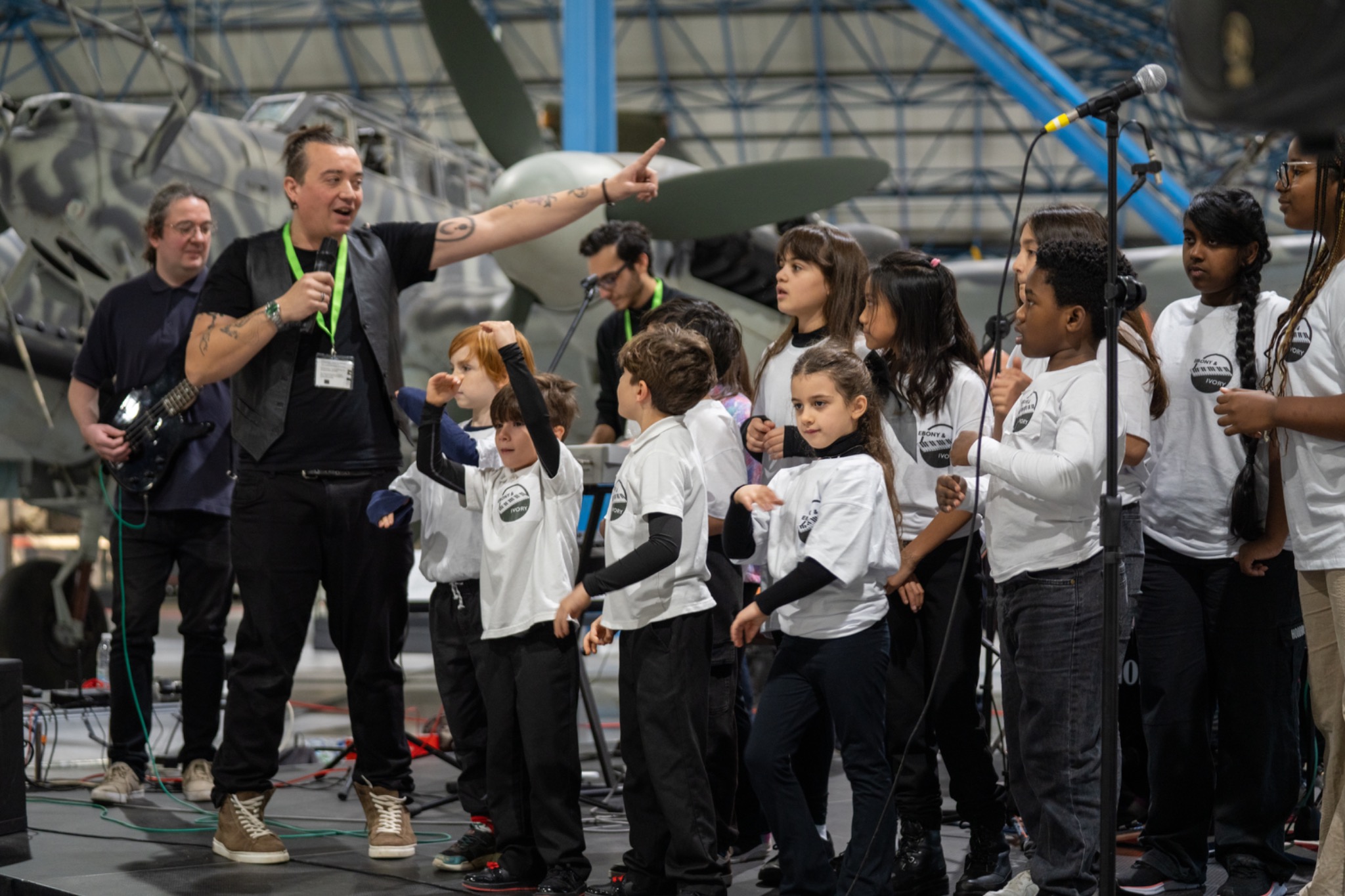
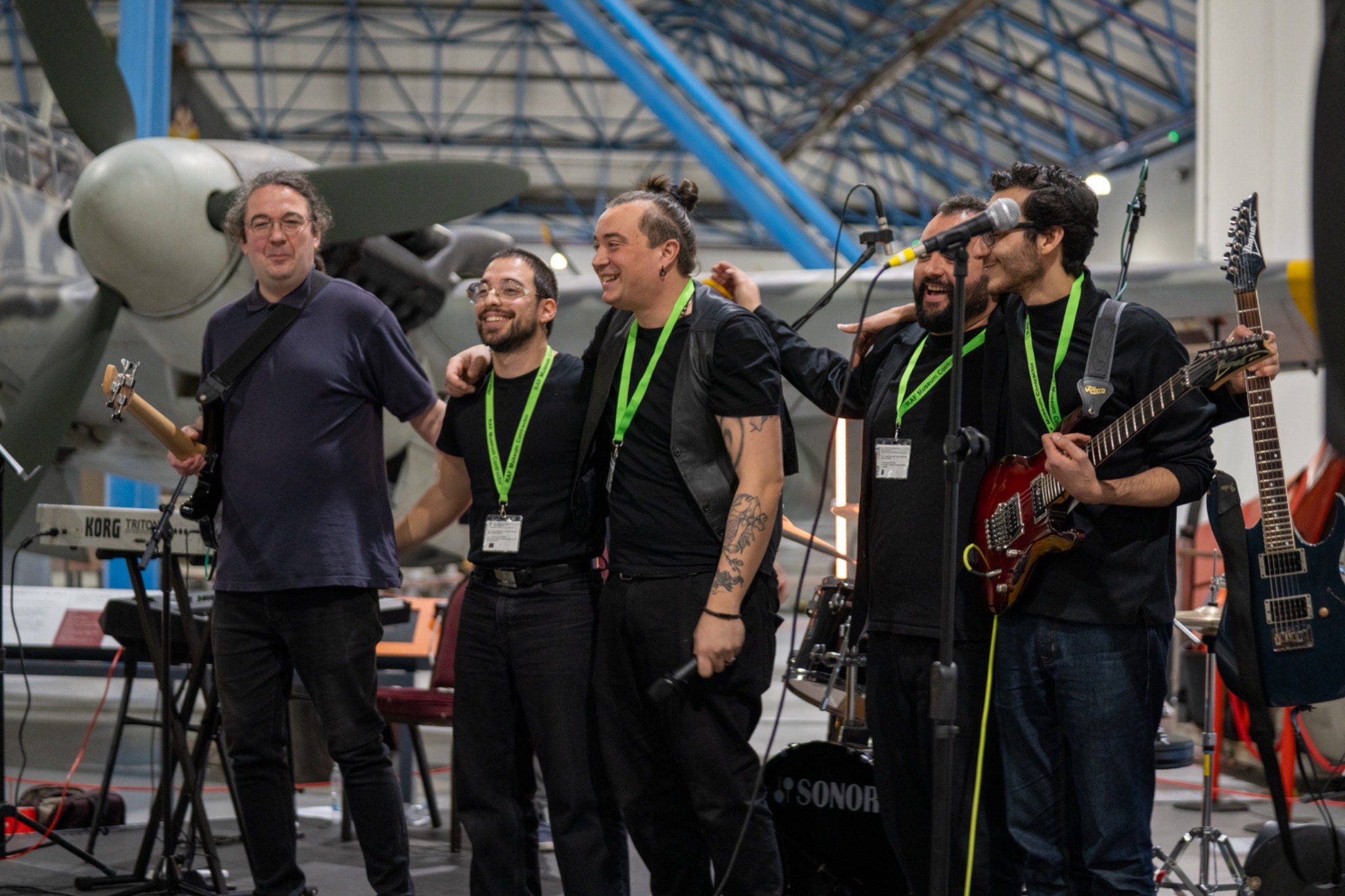
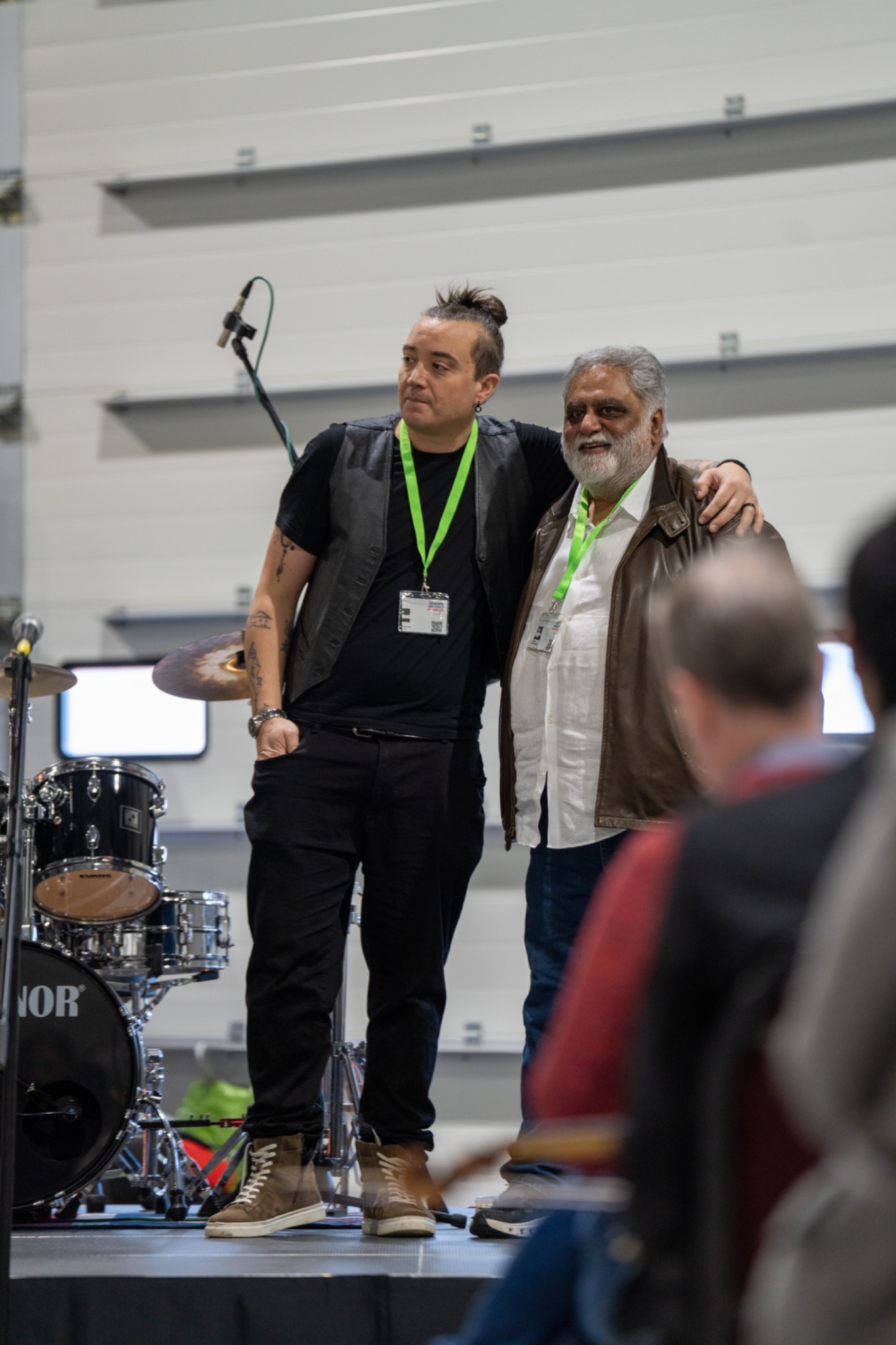
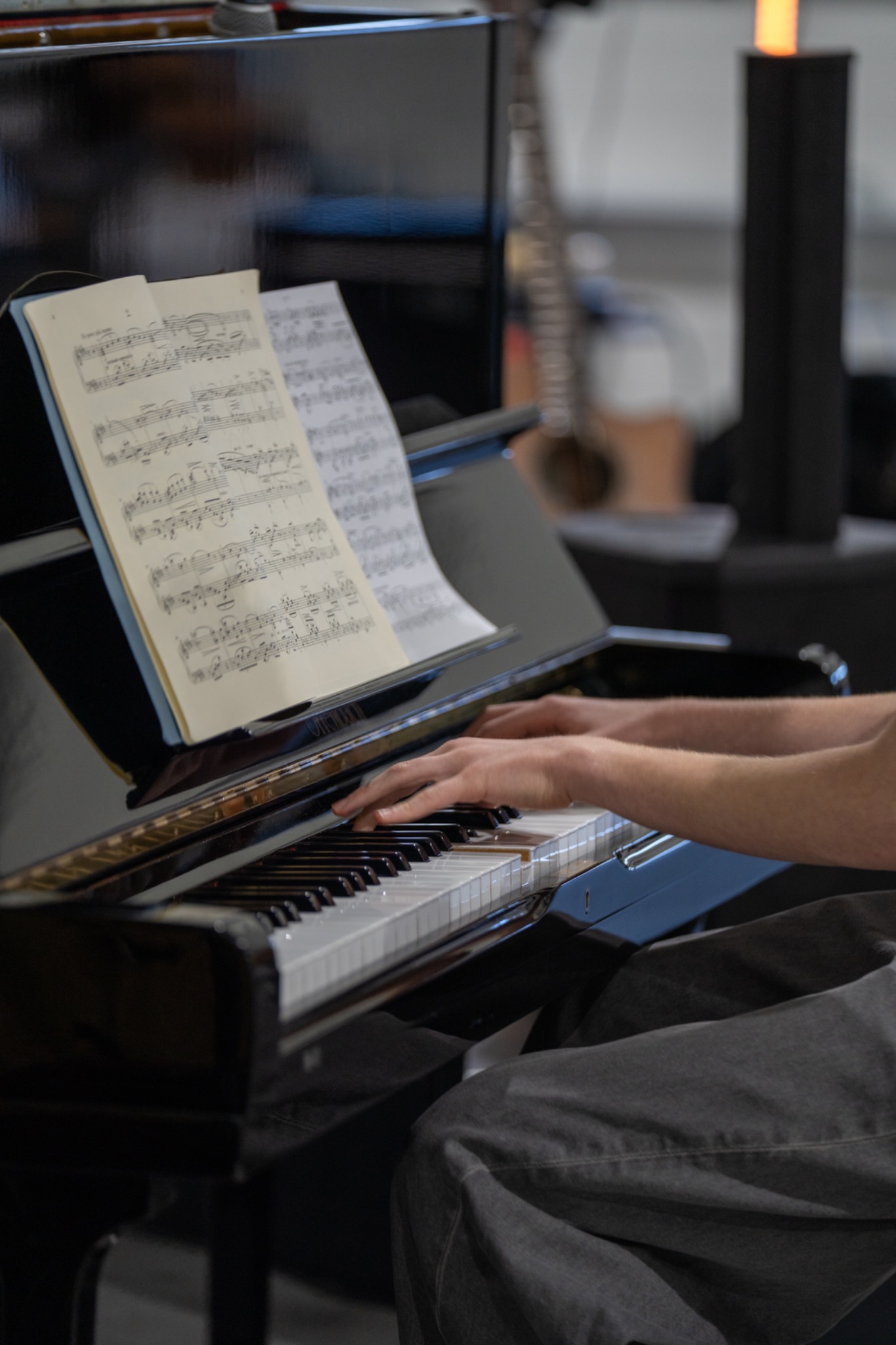
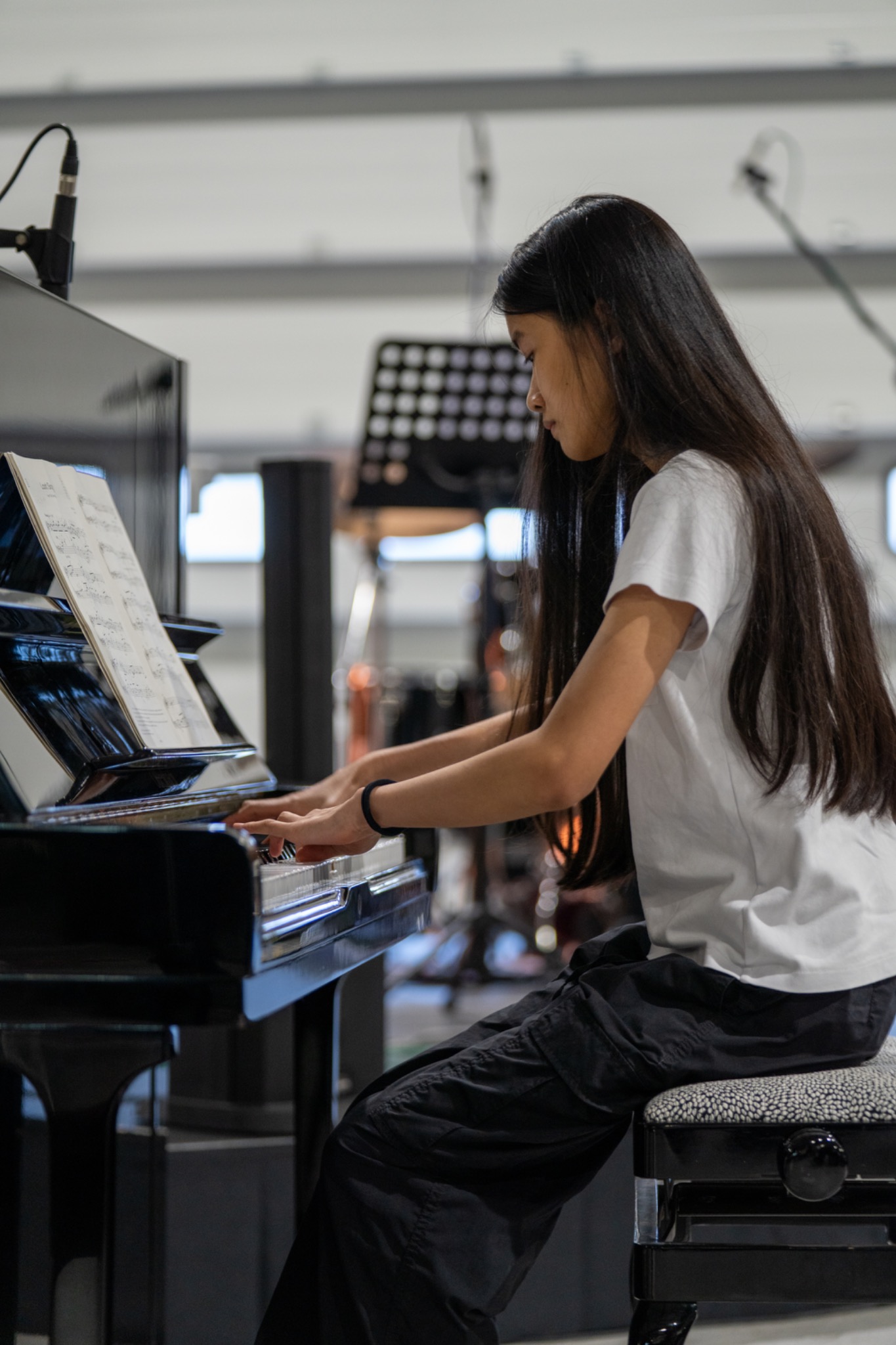
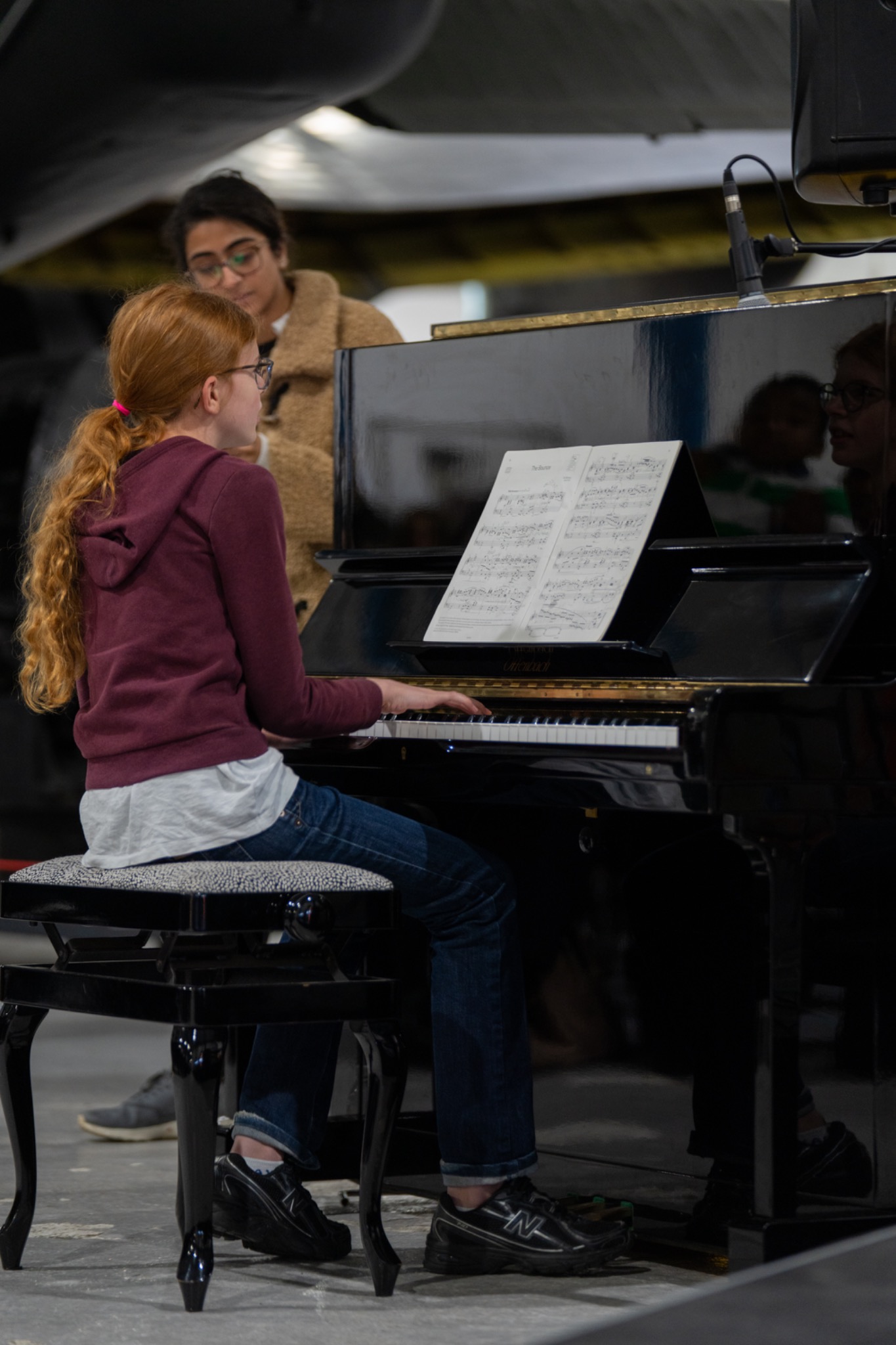
Our students in the spotlight.
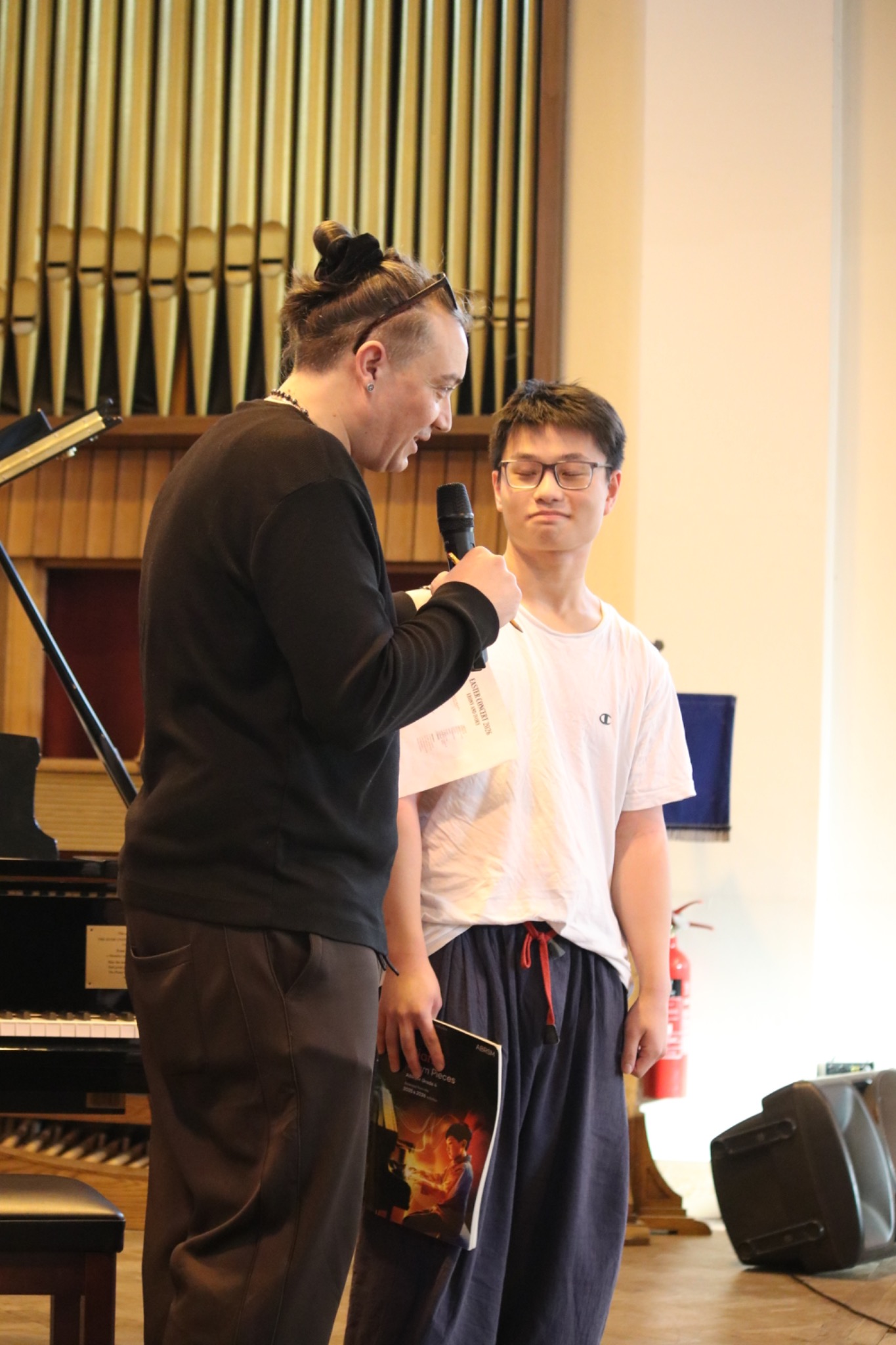
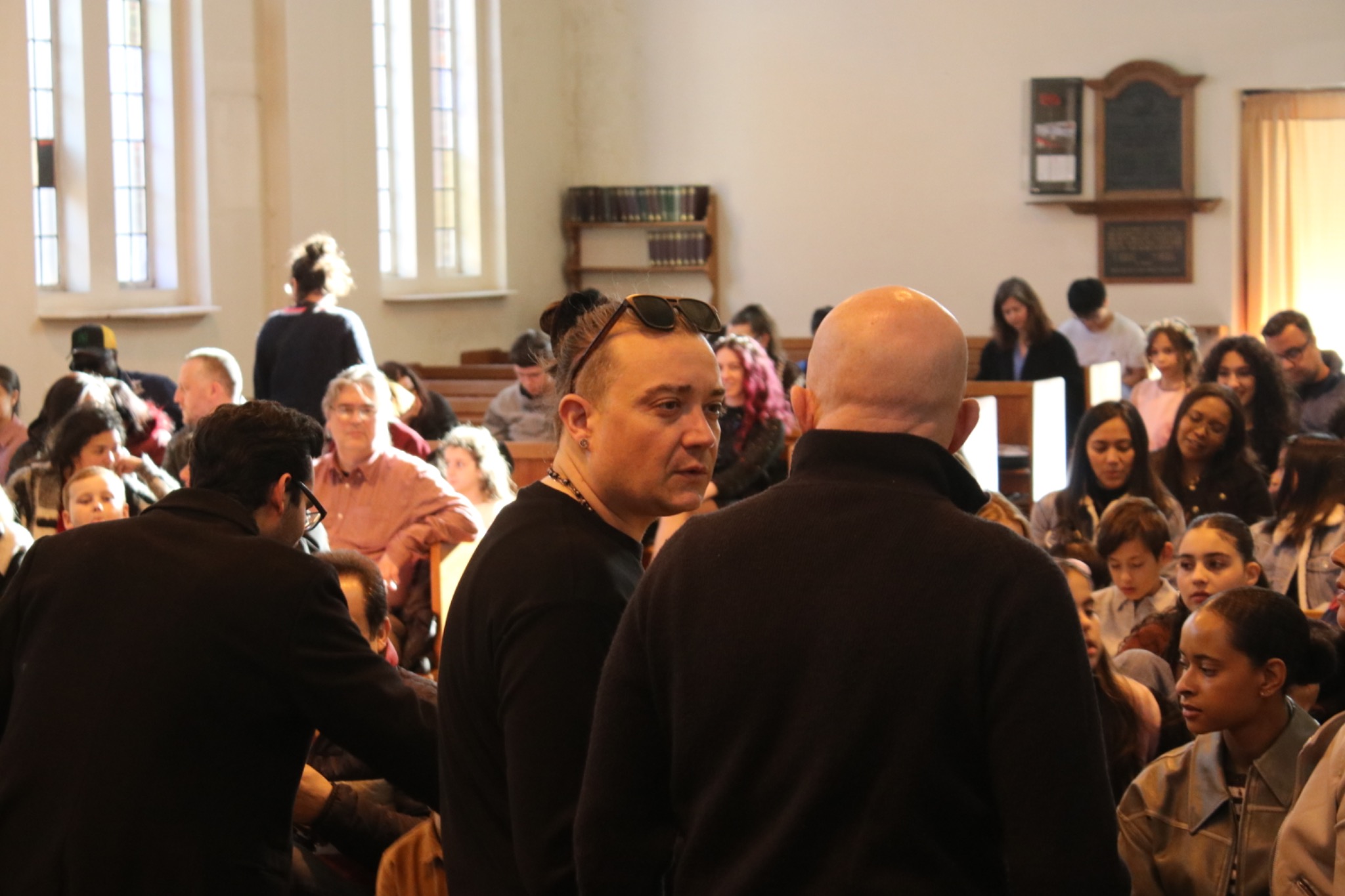
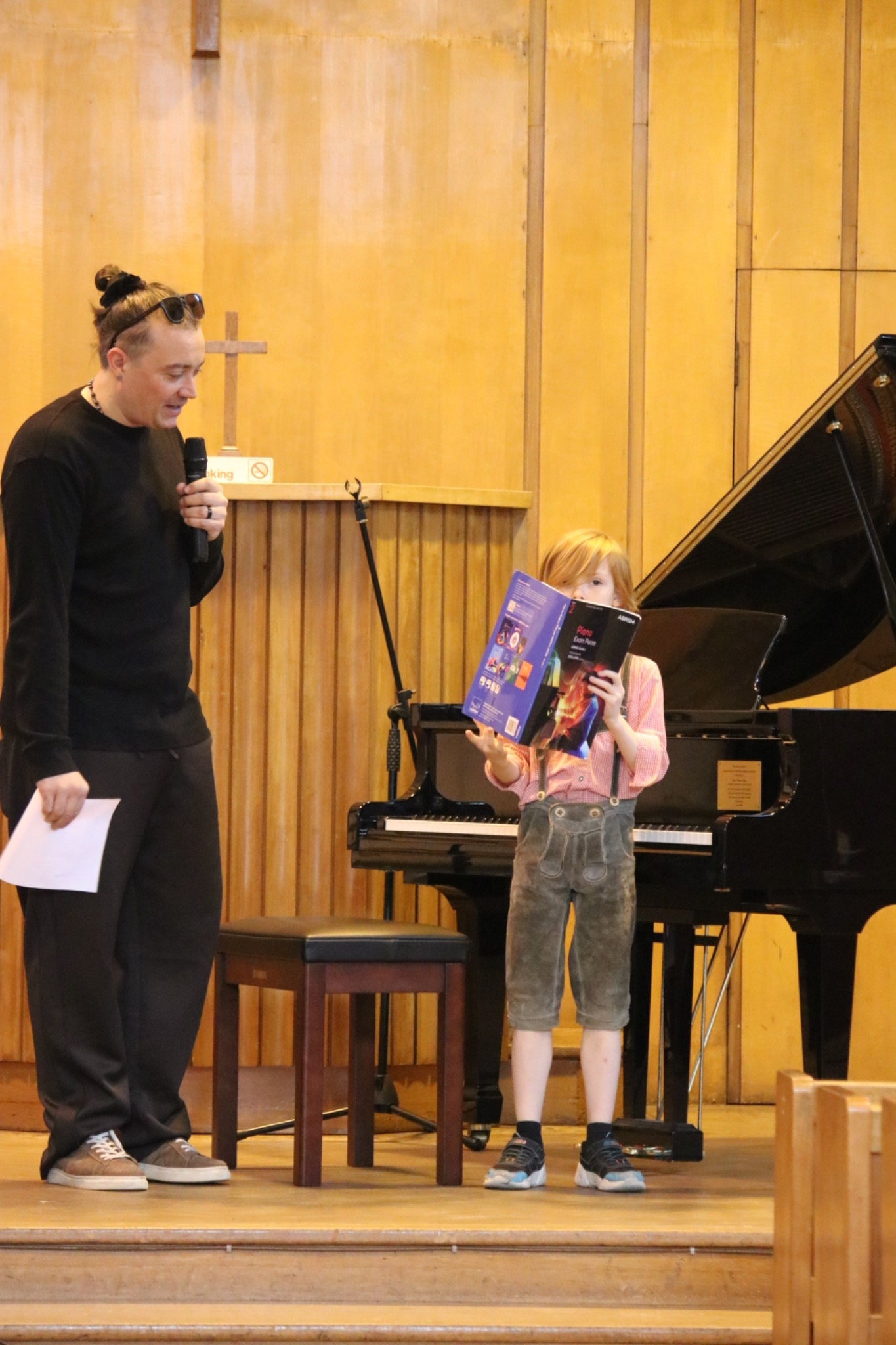
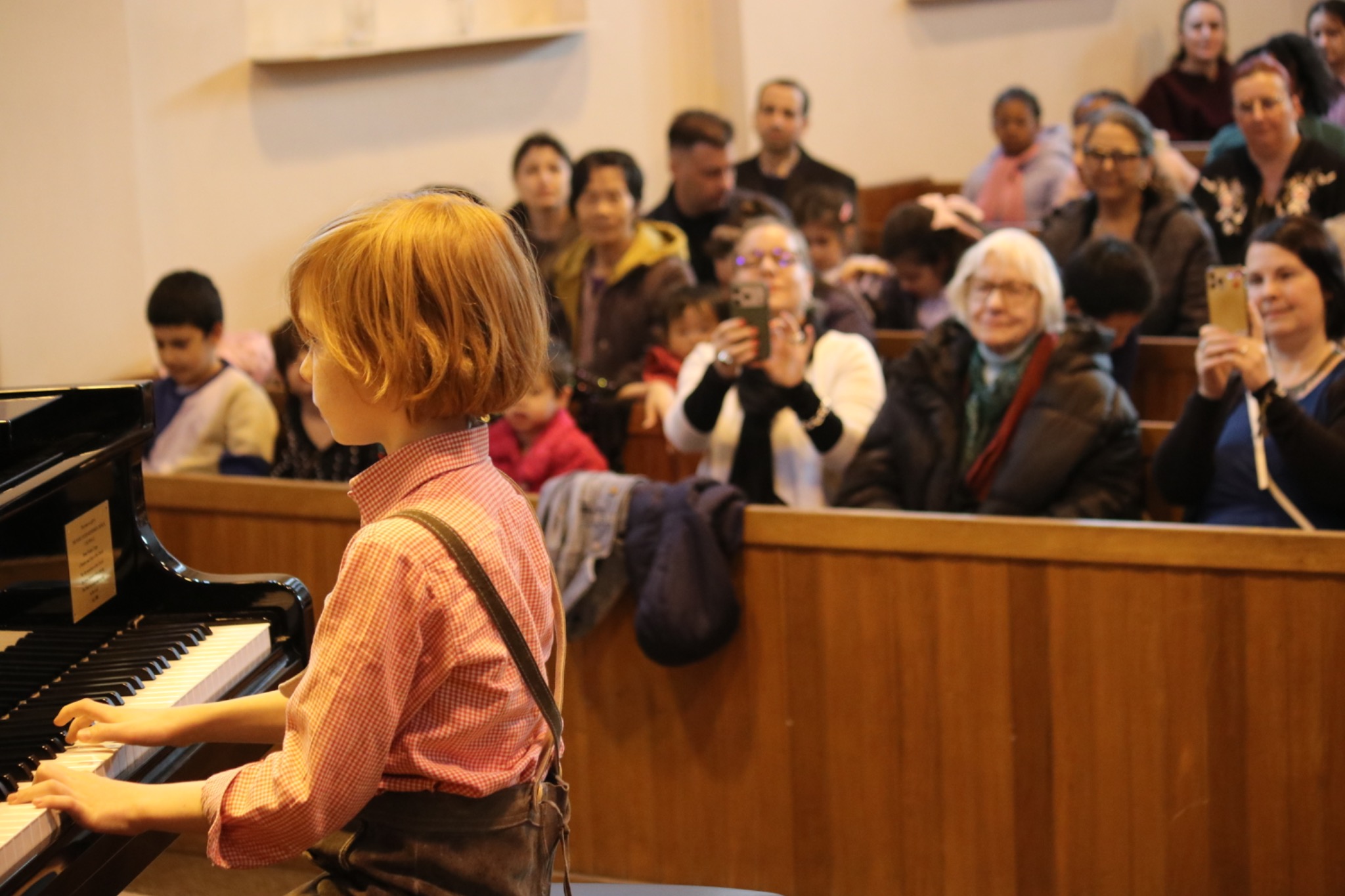
30 moments of music, confidence and creativity. Explore our recitals and concert performances; select any photograph to view it in full, then use the arrows or swipe to browse.


Follow the music
Connect with GƎX.
Listen, follow the latest posts and explore performances across social platforms.
Follow GƎX Sierchio on Facebook, Instagram, YouTube and Spotify.